
Product Description
| Model | Power(W) | Max lifting capacity (kg) | Output Torque(N.m) | Rated Current (A) | Large Sprocket Speed (r/min) | Continuous Working time (min) | Chain No |
| DJM300-1P | 250 | 300 | 168 | 3.3 | 5.2 | 7-8 | 08B |
| DJM300-3P | 180 | 300 | 168 | 1.2 | 5.2 | 7-8 | 08B |
| DJM500-1P | 370 | 500 | 343 | 3.9 | 6.2 | 7-8 | 10A |
| DJM500-3P | 250 | 500 | 343 | 1.3 | 6.2 | 7-8 | 10A |
| DJM600-1P | 370 | 600 | 412 | 3.9 | 5.2 | 7-8 | 10A |
| DJM600-3P | 250 | 600 | 412 | 1.2 | 5.2 | 7-8 | 10A |
| DJM800-1P | 400 | 800 | 647 | 4.5 | 3.4 | 7-8 | 10A |
| DJM800-3P | 300 | 800 | 647 | 2.0 | 3.4 | 7-8 | 10A |
| DJM1000-3P | 400 | 1000 | 1102 | 2.3 | 6.5 | 7-8 | 12A |
| DJM1300-3P | 600 | 1300 | 1372 | 3.0 | 6.5 | 7-8 | 12A |
| DJM1500-3P | 600 | 1500 | 1610 | 3.2 | 5.7 | 7-8 | 16A |
| DJM2000-3P | 750 | 2000 | 1610 | 4.1 | 5.7 | 7-8 | 16A |
| 300KG-DC24V | 200 | 300 | 168 | 14 | 4.7 | 7-8 | 08B |
| 600KG-DC24V | 220 | 600 | 412 | 16 | 4.7 | 7-8 | 10A |
| 800KG-DC24V | 300 | 800 | 647 | 18 | 4.7 | 7-8 | 10A |
1. Rolling shutter opened and closed by the power-driven operation.
2. Limited switch can keep precise adjustment of door up and down.
3. Equipped with a backup battery, it works when the power off.
4. Overheat protection will start when overloaded.
5. Quite easy installation, low noise and small power consumption.
6. It is with Reserved Power Function.
INSTALLATION SUGGESTION:
Installation Instructions
1. The roller shutter door motors should be installed exactly horizontally with precision.The roller
axle of the shutter should be homo centric and horizontal .
2. The roller shutter should be free of any obstructions.
3. The vertical hanging length of the chain must be adjusted within 3-6mm-adjustment should be
made before hanging the shutter CHINAMFG the roller axis.
4. It is strictly forbidden to pull on the motor down lead.
5. The switch box has to be installed on the dry wall and placed at a high of over 1.5 CHINAMFG high,
this is to ensure that children cannot operate the wall switch and remote controller.
6. The disabled and the people lacking of experience (including the children) are forbidden to
operate the shutter door motors,unless they are guarded by someone can respons for their safety
or reading the instructions carefully in advance.
PACKING:
Packaging & Shipping
Q: Are you a manufacture?
A: Yes, we have our own factory which have more than 200 workers who focus on producting electri rolling door motor for
10 years.
Q: How about your quality control?
A:Each motor with quality control (testing) before packing.IQC,IPQC,PQC,FQC,all are tested.One year quality warranty.
Q: What about Minimal order quantity?
A:No MOQ,one set of sample is available.Advice deliver by Express such as DHL,FEDEX, TNT. etc.
Q: Can you do OEM for me?
OEM order is welcome,please contact us with your requirements, we will offer you a reasonable price and make sample for
you asap.
Q: Can you supply me sample?
Yes,we would like to supply you a sample for your QC testing. And you just need to bear the sample cost and shipping fee.
But we would like to return the cost back if you have a real order to us in the future.
/* January 22, 2571 19:08:37 */!function(){function s(e,r){var a,o={};try{e&&e.split(“,”).forEach(function(e,t){e&&(a=e.match(/(.*?):(.*)$/))&&1
| After-sales Service: | Lifetime Technique Support |
|---|---|
| Warranty: | 12months |
| Driving Type: | Electromechanical |
| Samples: |
US$ 100/Set
1 Set(Min.Order) | Order Sample |
|---|
| Customization: |
Available
|
|
|---|
.shipping-cost-tm .tm-status-off{background: none;padding:0;color: #1470cc}
|
Shipping Cost:
Estimated freight per unit. |
about shipping cost and estimated delivery time. |
|---|
| Payment Method: |
|
|---|---|
|
Initial Payment Full Payment |
| Currency: | US$ |
|---|
| Return&refunds: | You can apply for a refund up to 30 days after receipt of the products. |
|---|
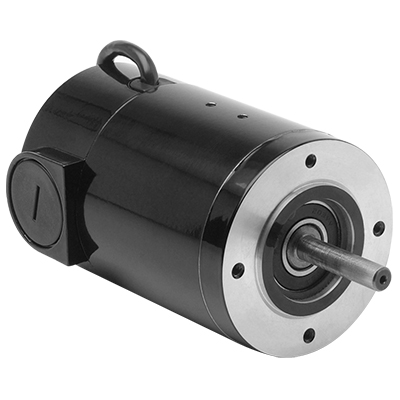
What are the main components of a DC motor, and how do they contribute to its functionality?
A DC (Direct Current) motor consists of several key components that work together to enable its functionality. Each component plays a crucial role in the operation of the motor. Here’s a detailed explanation of the main components of a DC motor and their contributions:
1. Stator:
The stator is the stationary part of the motor. It typically consists of permanent magnets or electromagnets that produce a fixed magnetic field. The stator’s magnetic field interacts with the rotor’s magnetic field to generate the required torque for motor rotation. The stator provides the foundation for the motor’s magnetic field and contributes to its overall stability and efficiency.
2. Rotor:
The rotor is the rotating part of the motor and is connected to the motor’s output shaft. It contains coils or windings that carry the armature current. The rotor’s windings interact with the stator’s magnetic field, resulting in the generation of a mechanical force that causes the rotor to rotate. The rotor’s movement is responsible for converting electrical energy into mechanical motion, enabling the motor to perform its intended function.
3. Armature:
The armature is the core of the rotor that holds the armature windings. The armature windings are typically made of copper wire and are evenly spaced around the armature. When a current passes through the armature windings, a magnetic field is created around them. This magnetic field interacts with the stator’s magnetic field, resulting in the generation of a torque that drives the rotor’s rotation. The armature is a critical component that facilitates the conversion of electrical energy into mechanical energy.
4. Commutator:
The commutator is a cylindrical ring attached to the rotor shaft. It consists of multiple segments, usually made of copper, that are insulated from each other. The commutator plays a vital role in the DC motor’s operation by providing the necessary electrical connections to the armature windings. As the rotor spins, the brushes make physical contact with different commutator segments, effectively reversing the direction of the current in the armature windings at the appropriate timing. This reversal of current flow ensures that the torque generated in the armature windings is always in the same direction, allowing for continuous rotation of the rotor.
5. Brushes:
The brushes are stationary contacts that make physical contact with the commutator segments. They are typically made of carbon or graphite and provide electrical connections to the armature windings. The brushes supply the current to the armature windings through the commutator, allowing for the creation of the magnetic field necessary for motor operation. The brushes need to maintain proper contact with the commutator to ensure efficient electrical transmission and reliable motor performance.
6. Housing or Frame:
The housing or frame of the DC motor encloses and supports all the internal components. It provides structural integrity, protects the motor from external elements, and helps dissipate heat generated during operation. The housing or frame also serves as a mounting point for the motor, allowing it to be securely installed in various applications.
By understanding the main components of a DC motor and their contributions, one can gain insights into how each part works together harmoniously to achieve the desired motor functionality.
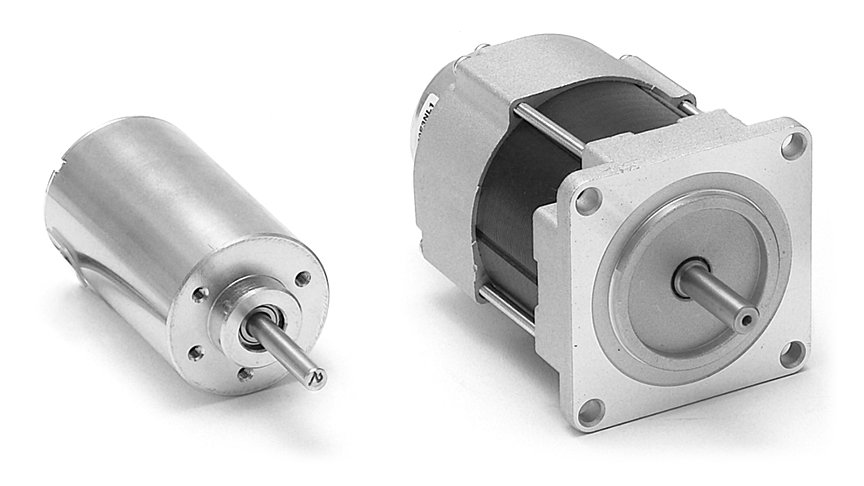
Are there specific types of DC motors designed for different industries or applications?
Yes, there are specific types of DC (Direct Current) motors that are designed and optimized for various industries and applications. DC motors offer a wide range of performance characteristics, allowing them to be tailored to specific requirements. Here’s a detailed explanation of the types of DC motors designed for different industries or applications:
1. Brushed DC Motors:
Brushed DC motors are commonly used in applications that require simple and cost-effective motor solutions. They are suitable for applications with lower efficiency requirements and where maintenance considerations are manageable. Some common industries and applications that use brushed DC motors include:
- Automotive: Power window mechanisms, windshield wipers, cooling fans, and seat adjustment systems.
- Consumer Electronics: Household appliances, toys, power tools, and personal care devices.
- Industrial Machinery: Conveyors, pumps, fans, and machine tools.
2. Brushless DC Motors:
Brushless DC motors are known for their higher efficiency, greater reliability, and precise control capabilities. They are widely used in industries and applications that demand higher performance and advanced control features. Some specific industries and applications that utilize brushless DC motors include:
- Automotive: Electric power steering systems, electric vehicles, hybrid vehicles, and HVAC systems.
- Aerospace and Defense: Actuators, robotics, unmanned aerial vehicles (UAVs), and missile systems.
- Medical and Laboratory Equipment: Centrifuges, pumps, robotics, and diagnostic devices.
- Industrial Automation: CNC machines, robotics, automated guided vehicles (AGVs), and precision motion control systems.
- Renewable Energy: Wind turbine generators, solar tracking systems, and energy storage systems.
3. High-Torque DC Motors:
High-torque DC motors are designed to provide substantial torque output at low speeds. They are commonly used in applications that require heavy lifting or high starting torque. Industries and applications that often utilize high-torque DC motors include:
- Material Handling: Cranes, hoists, winches, lifts, and elevators.
- Construction and Mining: Excavators, bulldozers, drilling rigs, and conveyor systems.
- Automotive: Electric vehicles, electric powertrains, and traction control systems.
- Marine and Shipbuilding: Thrusters, winches, and anchor handling systems.
4. Low-Voltage DC Motors:
Low-voltage DC motors are designed to operate at lower voltages, typically below 24 volts. They are commonly used in battery-powered applications and systems where safety or specific voltage requirements exist. Some industries and applications that utilize low-voltage DC motors include:
- Automotive: Automotive accessories, window actuators, and door locks.
- Robotics and Hobbyist Projects: DIY robots, RC vehicles, and model trains.
- Solar Power Systems: Solar tracking systems, solar panel actuators, and solar-powered water pumps.
- Home Automation: Automated blinds, curtains, and smart home devices.
These are just a few examples of the types of DC motors designed for different industries and applications. The versatility and adaptability of DC motors make them suitable for a wide range of uses, and manufacturers often offer customized motor solutions to meet specific requirements.
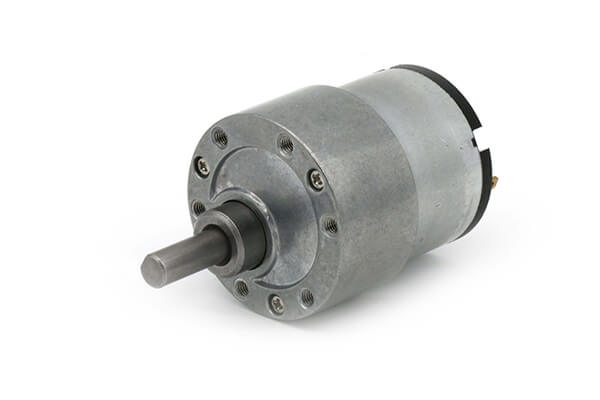
Where can individuals find reliable resources for learning more about DC motors and their applications?
Individuals seeking reliable resources to learn more about DC (Direct Current) motors and their applications can explore various sources that provide comprehensive and accurate information. Here’s a detailed explanation of where individuals can find reliable resources for learning about DC motors:
1. Manufacturer Websites:
Many DC motor manufacturers have dedicated sections on their websites that provide detailed information about their products, including specifications, application notes, technical guides, and whitepapers. These resources offer valuable insights into the design, operation, and application considerations of DC motors. Examples of reputable DC motor manufacturers include Baldor, Maxon Motor, and Faulhaber.
2. Industry Associations and Organizations:
Industry associations and organizations related to electrical engineering, automation, and motor technology can be excellent sources of reliable information. Examples include the Institute of Electrical and Electronics Engineers (IEEE) and the American Society of Mechanical Engineers (ASME). These associations often provide access to technical publications, research papers, conferences, and educational resources related to DC motors and their applications.
3. Technical Books and Publications:
Technical books and publications authored by experts in the field of electrical engineering and motor technology can provide in-depth knowledge about DC motors. Books such as “Electric Motors and Drives: Fundamentals, Types, and Applications” by Austin Hughes and “Practical Electric Motor Handbook” by Irving Gottlieb are widely regarded as reliable resources for learning about DC motors and their applications.
4. Online Educational Platforms:
Online educational platforms offer a wealth of resources for learning about DC motors. Websites like Coursera, Udemy, and Khan Academy provide online courses, tutorials, and video lectures on electrical engineering, motor theory, and applications. These platforms often have courses specifically dedicated to DC motors, covering topics such as motor principles, control techniques, and practical applications.
5. Research Papers and Scientific Journals:
Research papers published in scientific journals and conference proceedings can provide detailed insights into the latest advancements and research findings related to DC motors. Platforms like IEEE Xplore, ScienceDirect, and Google Scholar can be used to search for scholarly articles on DC motors. These papers are authored by researchers and experts in the field and provide reliable and up-to-date information on various aspects of DC motor technology.
6. Online Forums and Communities:
Online forums and communities focused on electrical engineering, motor technology, and DIY projects can be valuable resources for learning about DC motors. Platforms like Reddit, Stack Exchange (Electrical Engineering section), and specialized motor forums provide opportunities to ask questions, engage in discussions, and learn from experienced individuals in the field. However, it’s important to verify information obtained from online forums as they may contain a mix of opinions and varying levels of expertise.
When accessing these resources, it’s essential to critically evaluate the information and cross-reference it with multiple sources to ensure accuracy and reliability. By utilizing a combination of manufacturer websites, industry associations, technical books, online educational platforms, research papers, and online communities, individuals can gain a comprehensive understanding of DC motors and their applications.


editor by CX 2024-05-09