
Product Description
Used in scooter and motorcycle with high power
giving excellent balance capacity,comfortable,smooth and durable in use.
| Working Voltage | DC48V-DC72V |
| No load speed | 700rpm-1000rpm |
| Rated power | 1200W-4000W |
| Efficiency | >=90% |
| Maximum torque | 150Nm-180Mn |
| Maximum speed | 50km/h-70km/h |
| Motor on gear | 200mm 230mm |
| Brake type | 130 Drum/Disc brake |
| Color | Matt black |
| Rim | 10 inch iron wheel |
| Applicable models | Electric motorcycle |
| Adaptive tire | English 3.0-10 3.5-10 |
| Metric 110 / 100-10 110 / 90-10 | |
| 90/90-10 100/90-10 |
1. Q: Can I get samples before my formal order?
A: Yes, special sample services are available. And the sample cost can be relived once the formal order comes.
2. Q: How do you control the quality?
A: 1. Provide sample test report confirmation; 2. Seal sample confirmation. 3. Shoot production videos during the production process; 4. Send out test reports and test videos when the products are off-line; 5. Use foam cartons and woven bags for packaging, and the perfect packaging method ensures that the products are not damaged during transportation.
3. Q: Can I get a customize service?
A: Yes, ODM OEM services are available. (Appearance color, decal, power, etc. can be customized if the quantity can be above 50sets)
4. Q: What is the warranty time of your products?
A:The motor and controller are guaranteed for 18 months.
5. Q: How about payment terms and price terms?
A: Payment Terms: EXW,FOB,CNF/CFR,CIF,L/C, etc. Price Terms: Sample list 100%;Regular order 100% TT or 100% L/C or 30%TT,70%L/C.The specific payment method can be negotiated.
6. Q: What’s the approximate lead time?
A: After the advanced payment confirmed, normally 5 days for stock products,15 days for conventional models , and 30 days for special models. /* January 22, 2571 19:08:37 */!function(){function s(e,r){var a,o={};try{e&&e.split(“,”).forEach(function(e,t){e&&(a=e.match(/(.*?):(.*)$/))&&1
| After-sales Service: | Free Charge |
|---|---|
| Warranty: | 18 Months |
| Type: | Motor |
| Brake System: | Drum Brake/Disc Brake |
| Speed: | 50-70km/H |
| Supply Voltage: | DC48V-DC72V |
| Samples: |
US$ 164/Piece
1 Piece(Min.Order) | |
|---|
| Customization: |
Available
|
|
|---|
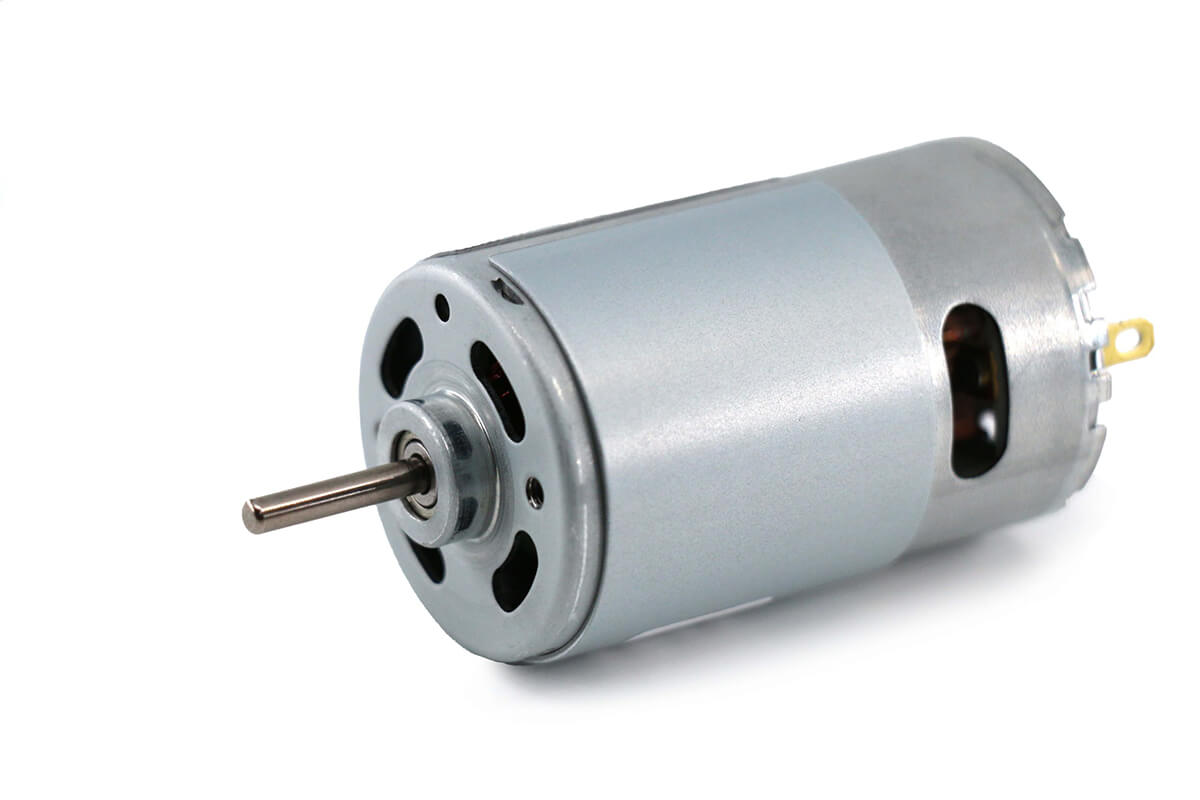
What is a DC motor, and how does it differ from other types of electric motors?
A DC (Direct Current) motor is an electric motor that converts electrical energy into mechanical motion. It operates based on the principle of electromagnetic induction and the interaction between current-carrying conductors and magnetic fields. DC motors are widely used in various applications due to their simplicity, controllability, and versatility. Here’s a detailed explanation of what a DC motor is and how it differs from other types of electric motors:
1. Basic Operation:
In a DC motor, electrical energy is supplied to the motor’s armature through a DC power source, typically a battery or a rectified power supply. The armature consists of multiple coils or windings that are evenly spaced around the motor’s rotor. The rotor is a cylindrical core with a shaft that rotates when the motor is energized. When current flows through the armature windings, it creates a magnetic field that interacts with the fixed magnetic field produced by the motor’s stator. This interaction generates a torque, causing the rotor to rotate.
2. Commutation:
DC motors employ a commutator and brushes for the conversion of electrical energy and the rotation of the rotor. The commutator consists of a segmented cylindrical ring attached to the rotor shaft, and the brushes are stationary conductive contacts that make contact with the commutator segments. As the rotor spins, the brushes maintain contact with the commutator segments, periodically reversing the direction of the current flow in the armature windings. This reversal of current flow in the armature windings ensures continuous rotation of the rotor in the same direction.
3. Types of DC Motors:
DC motors can be classified into different types based on their construction and the method of field excitation. The two main types are:
- Brushed DC Motors: Brushed DC motors have a mechanical commutator and brushes to switch the current direction in the armature windings. These motors are relatively simple, cost-effective, and offer good torque characteristics. However, the commutator and brushes require regular maintenance and can generate electrical noise and brush wear debris.
- Brushless DC Motors (BLDC): Brushless DC motors, also known as electronically commutated motors (ECMs), use electronic circuits and sensors to control the current flow in the motor windings. They eliminate the need for brushes and commutators, resulting in reduced maintenance and improved reliability. BLDC motors offer higher efficiency, smoother operation, and better speed control compared to brushed DC motors.
4. Speed Control:
DC motors provide excellent speed control capabilities. By adjusting the voltage applied to the motor, the speed of the DC motor can be regulated. Lowering the voltage reduces the motor’s speed, while increasing the voltage increases the speed. This feature makes DC motors suitable for applications that require precise speed control, such as robotics, conveyor systems, and electric vehicles.
5. Advantages and Disadvantages:
DC motors have several advantages, including:
- Simple construction and easy maintenance (for brushed DC motors).
- High starting torque.
- Precise speed control.
- Good controllability over a wide range of loads.
However, DC motors also have some limitations, such as:
- Brushed DC motors require periodic maintenance and have limited brush life.
- Brushed DC motors can generate electrical noise.
- Brushless DC motors are often more expensive compared to brushed DC motors.
6. Differences from Other Electric Motors:
DC motors differ from other types of electric motors, such as AC (Alternating Current) motors, in several ways:
- Power Source: DC motors require a DC power source, while AC motors operate from an AC power supply.
- Speed Control: DC motors offer precise speed control by adjusting the applied voltage, whereas AC motors typically rely on frequency control for speed regulation.
- Construction: DC motors use a commutator and brushes (in brushed DC motors) or electronic commutation (in brushless DC motors), while AC motors do not require commutation.
- Starting Torque: DC motors typically provide higher starting torque compared to AC motors.
Overall, DC motors are versatile and widely used in various applications due to their controllability, speed regulation capabilities, and simplicity. The advancements inpower electronics and motor control technologies have further enhanced the performance and efficiency of DC motors, making them a popular choice in many industries.
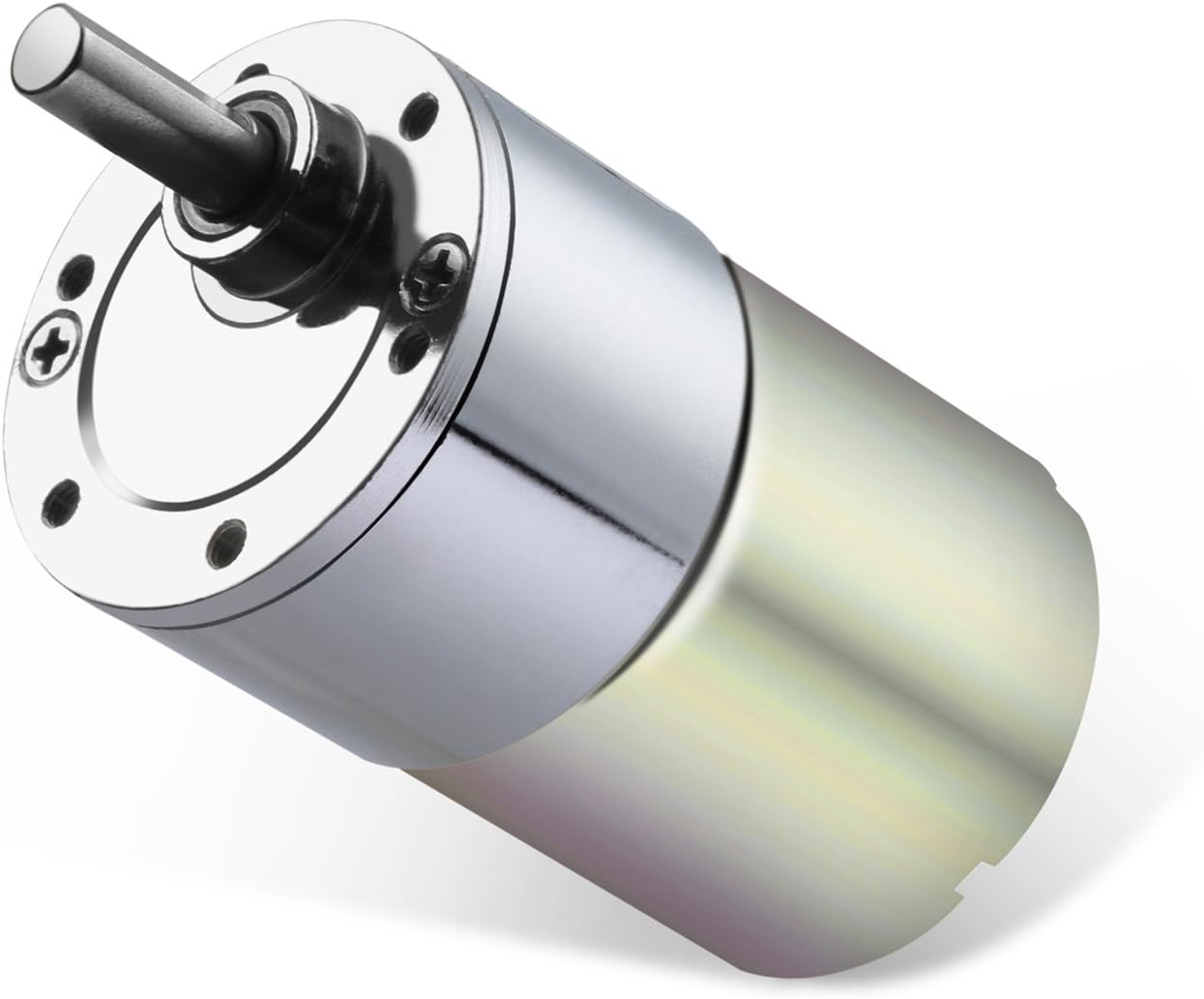
What role does commutation play in the operation of a DC motor?
In the operation of a DC (Direct Current) motor, commutation plays a crucial role in ensuring the continuous rotation of the motor and the conversion of electrical energy into mechanical motion. It is the process by which the direction of the current in the armature winding is periodically reversed to maintain a constant torque and facilitate the rotation of the motor. Here’s a detailed explanation of the role of commutation in the operation of a DC motor:
Commutation is necessary in a DC motor because the magnetic field generated by the armature winding needs to be constantly aligned with the stator’s magnetic field for efficient torque production. The stator of a DC motor typically consists of permanent magnets or electromagnets that create a fixed magnetic field. The armature winding, located on the rotor, produces a magnetic field that interacts with the stator’s field to generate torque.
The commutation process is achieved through the use of a commutator and brushes. The commutator is a cylindrical ring with multiple segments, while the brushes are conductive contacts that make physical contact with the commutator segments. The armature winding is connected to the commutator, and as the rotor spins, the brushes maintain contact with different segments.
As the rotor rotates, the commutator and brushes ensure that the direction of the current in the armature winding is reversed at specific intervals. This reversal of current flow is necessary to maintain a consistent torque in the same rotational direction. Without commutation, the torque generated by the motor would fluctuate in both magnitude and direction, leading to instability and erratic motor behavior.
The commutation process involves two stages: mechanical commutation and electrical commutation.
1. Mechanical Commutation: As the rotor rotates, the brushes make contact with different segments of the commutator. The segments are insulated from each other to prevent short circuits. When the brushes move from one segment to another, the current flowing through the armature winding is switched to a different coil or set of coils. This mechanical switching ensures that the magnetic fields produced by the winding are properly aligned with the stator’s field, resulting in continuous torque production.
2. Electrical Commutation: The reversal of current in the armature winding is achieved through electrical commutation. When the brushes make contact with a new commutator segment, the current flow in the winding is redirected to maintain the desired torque direction. The timing and sequence of the current reversal are critical to ensure smooth and efficient motor operation.
The commutation process in a DC motor is a dynamic and continuous operation. It allows for the conversion of electrical energy into mechanical motion by providing a consistent torque output. The efficiency and performance of the motor are greatly influenced by the quality and effectiveness of the commutation process.
In summary, commutation plays a vital role in the operation of a DC motor by ensuring the continuous rotation of the motor and the production of consistent torque. It involves the mechanical and electrical switching of the current direction in the armature winding, facilitated by the commutator and brushes.
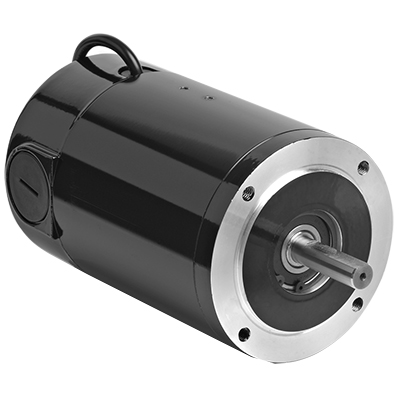
Are there innovations or emerging technologies in the field of DC motor design?
Yes, there have been several innovations and emerging technologies in the field of DC (Direct Current) motor design. These advancements aim to improve the performance, efficiency, reliability, and overall capabilities of DC motors. Here’s a detailed explanation of some notable innovations and emerging technologies in DC motor design:
1. Brushless DC Motors:
One significant advancement in DC motor design is the development and widespread adoption of brushless DC motors (BLDC motors). Unlike traditional DC motors that use brushes for commutation, BLDC motors employ electronic commutation through the use of permanent magnets and motor controller circuits. This eliminates the need for brushes, reducing maintenance requirements and improving overall motor efficiency and lifespan. BLDC motors offer higher torque density, smoother operation, better speed control, and improved energy efficiency compared to conventional brushed DC motors.
2. High-Efficiency Materials:
The use of high-efficiency materials in DC motor design has been an area of focus for improving motor performance. Advanced magnetic materials, such as neodymium magnets, have allowed for stronger and more compact motor designs. These materials increase the motor’s power density, enabling higher torque output and improved efficiency. Additionally, advancements in materials used for motor windings and core laminations have reduced electrical losses and improved overall motor efficiency.
3. Power Electronics and Motor Controllers:
Advancements in power electronics and motor control technologies have greatly influenced DC motor design. The development of sophisticated motor controllers and efficient power electronic devices enables precise control of motor speed, torque, and direction. These technologies have resulted in more efficient and reliable motor operation, reduced energy consumption, and enhanced motor performance in various applications.
4. Integrated Motor Systems:
Integrated motor systems combine the motor, motor controller, and associated electronics into a single unit. These integrated systems offer compact designs, simplified installation, and improved overall performance. By integrating the motor and controller, issues related to compatibility and communication between separate components are minimized. Integrated motor systems are commonly used in applications such as robotics, electric vehicles, and industrial automation.
5. IoT and Connectivity:
The integration of DC motors with Internet of Things (IoT) technologies and connectivity has opened up new possibilities for monitoring, control, and optimization of motor performance. By incorporating sensors, actuators, and connectivity features, DC motors can be remotely monitored, diagnosed, and controlled. This enables predictive maintenance, energy optimization, and real-time performance adjustments, leading to improved efficiency and reliability in various applications.
6. Advanced Motor Control Algorithms:
Advanced motor control algorithms, such as sensorless control and field-oriented control (FOC), have contributed to improved performance and efficiency of DC motors. Sensorless control techniques eliminate the need for additional sensors by leveraging motor current and voltage measurements to estimate rotor position. FOC algorithms optimize motor control by aligning the magnetic field with the rotor position, resulting in improved torque and efficiency, especially at low speeds.
These innovations and emerging technologies in DC motor design have revolutionized the capabilities and performance of DC motors. Brushless DC motors, high-efficiency materials, advanced motor control techniques, integrated motor systems, IoT connectivity, and advanced control algorithms have collectively contributed to more efficient, reliable, and versatile DC motor solutions across various industries and applications.


editor by CX 2024-04-30