
Product Description
12V 22mm High Speed PM DC Planetary Gear Motor
Model A
Motor Technical Data
| TYPE | Rated voltage VDC |
No-load speed r/min |
No-load current mA |
Rated speed r/min |
Rated torque mN.m |
Output power W |
Rated current mA |
Stall torque mN.m |
Stall current A |
| 22ZY38B-1230 | 12 | 3000 | 70 | 2200 | 3 | 0.7 | 135 | 9.3 | 0.26 |
| 22ZY38B-1260 | 12 | 6000 | 100 | 5000 | 3 | 1.56 | 250 | 15 | 0.87 |
Gear Motor Technical Data
(with 22ZY38B-1230 DC Motor)
| Reduction ratio | 4 | 4.75 | 16 | 19 | 22 | 64 | 76 | 90 | 107 | 256 | 304 |
| Number of gear trains | 1 | 1 | 2 | 2 | 2 | 3 | 3 | 3 | 3 | 4 | 4 |
| Length mm | 14.4 | 14.4 | 17.8 | 17.8 | 17.8 | 21.5 | 21.5 | 21.5 | 21.5 | 25.2 | 25.2 |
| No-load speed r/min | 750 | 632 | 188 | 158 | 136 | 47 | 39 | 33 | 28 | 12 | 10 |
| Rated speed r/min | 550 | 463 | 138 | 116 | 100 | 34 | 29 | 24 | 21 | 8.6 | 7.2 |
| Rated torque N.m | 0.011 | 0.013 | 0.039 | 0.046 | 0.053 | 0.14 | 0.17 | 0.2 | 0.23 | 0.3 | 0.3 |
| Max.permissible load in a short time | 0.09 | 0.09 | 0.45 | 0.45 | 0.45 | 0.75 | 0.75 | 0.75 | 0.75 | 0.9 | 0.9 |
(with 22ZY38B-1260 DC Motor)
| Reduction ratio | 4 | 4.75 | 16 | 19 | 22 | 64 | 76 | 90 | 107 | 256 | 304 |
| Number of gear trains | 1 | 1 | 2 | 2 | 2 | 3 | 3 | 3 | 3 | 4 | 4 |
| Length mm | 14.4 | 14.4 | 17.8 | 17.8 | 17.8 | 21.5 | 21.5 | 21.5 | 21.5 | 25.2 | 25.2 |
| No-load speed r/min | 1500 | 1263 | 375 | 316 | 273 | 94 | 79 | 67 | 56 | 23 | 20 |
| Rated speed r/min | 1250 | 1035 | 313 | 263 | 227 | 78 | 66 | 56 | 47 | 20 | 16 |
| Rated torque N.m | 0.011 | 0.013 | 0.039 | 0.046 | 0.053 | 0.14 | 0.17 | 0.2 | 0.23 | 0.3 | 0.3 |
| Max.permissible load in a short time | 0.09 | 0.09 | 0.45 | 0.45 | 0.45 | 0.75 | 0.75 | 0.75 | 0.75 | 0.9 | 0.9 |
Model B
Motor Technical Data
| TYPE | Rated voltage VDC |
No-load speed r/min |
No-load current mA |
Rated speed r/min |
Rated torque mN.m |
Output power W |
Rated current mA |
Stall torque mN.m |
Stall current A |
| 22ZY38B-1245 | 12 | 4500 | 85 | 3340 | 3 | 1 | 180 | 13.2 | 0.48 |
| 22ZY38B-1260 | 12 | 6000 | 100 | 5000 | 3 | 1.56 | 250 | 15 | 0.87 |
Gear Motor Technical Data
(with 22ZY38B-1245 DC Motor)
| Reduction ratio | 3.7 | 5.2 | 14 | 19 | 27 | 51 | 71 | 100 | 139 | 189 | 264 | 369 | 516 |
| Number of gear trains | 1 | 1 | 2 | 2 | 2 | 3 | 3 | 3 | 3 | 4 | 4 | 4 | 4 |
| Length mm | 24.4 | 24.4 | 26.8 | 26.8 | 26.8 | 31.7 | 31.7 | 31.7 | 31.7 | 36.6 | 36.6 | 36.6 | 36.6 |
| No-load speed r/min | 1213 | 869 | 321 | 237 | 167 | 88 | 63 | 45 | 32 | 24 | 17 | 12 | 8.7 |
| Rated speed r/min | 900 | 645 | 239 | 176 | 124 | 65 | 47 | 33 | 24 | 18 | 13 | 9.1 | 6.5 |
| Rated torque N.m | 0.01 | 0.014 | 0.034 | 0.046 | 0.066 | 0.11 | 0.16 | 0.22 | 0.3 | 0.37 | 0.5 | 0.5 | 0.5 |
| Max.permissible load in a short time | 0.15 | 0.15 | 0.6 | 0.6 | 0.6 | 1.2 | 1.2 | 1.2 | 1.2 | 1.5 | 1.5 | 1.5 | 1.5 |
(with 22ZY38B-1260 DC Motor)
| Reduction ratio | 3.7 | 5.2 | 14 | 19 | 27 | 51 | 71 | 100 | 139 | 189 | 264 | 369 | 516 |
| Number of gear trains | 1 | 1 | 2 | 2 | 2 | 3 | 3 | 3 | 3 | 4 | 4 | 4 | 4 |
| Length mm | 24.4 | 24.4 | 26.8 | 26.8 | 26.8 | 31.7 | 31.7 | 31.7 | 31.7 | 36.6 | 36.6 | 36.6 | 36.6 |
| No-load speed r/min | 1617 | 1158 | 429 | 316 | 222 | 118 | 85 | 60 | 43 | 32 | 23 | 16 | 12 |
| Rated speed r/min | 1348 | 965 | 357 | 263 | 185 | 98 | 70 | 50 | 36 | 26 | 19 | 14 | 9.7 |
| Rated torque N.m | 0.01 | 0.014 | 0.034 | 0.046 | 0.066 | 0.11 | 0.16 | 0.22 | 0.3 | 0.37 | 0.5 | 0.5 | 0.5 |
| Max.permissible load in a short time | 0.15 | 0.15 | 0.6 | 0.6 | 0.6 | 1.2 | 1.2 | 1.2 | 1.2 | 1.5 | 1.5 | 1.5 | 1.5 |
Model C
Motor Technical Data
| TYPE | Rated voltage VDC |
No-load speed r/min |
No-load current mA |
Rated speed r/min |
Rated torque mN.m |
Output power W |
Rated current mA |
Stall torque mN.m |
Stall current A |
| 22ZY38B-1260 | 12 | 6000 | 100 | 5000 | 3 | 1.56 | 250 | 15 | 0.87 |
| 22ZY38B-12100 | 12 | 10000 | 150 | 8700 | 3 | 2.7 | 500 | 28 | 2.3 |
Gear Motor Technical Data
(with 22ZY38B-1260 DC Motor)
| Reduction ratio | 3.7 | 5.2 | 14 | 19 | 27 | 51 | 71 | 100 | 139 | 189 | 264 | 369 | 516 |
| Number of gear trains | 1 | 1 | 2 | 2 | 2 | 3 | 3 | 3 | 3 | 4 | 4 | 4 | 4 |
| Length mm | 24.4 | 24.4 | 33 | 33 | 33 | 41.5 | 41.5 | 41.5 | 41.5 | 49.8 | 49.8 | 49.8 | 49.8 |
| No-load speed r/min | 1617 | 1158 | 429 | 316 | 222 | 118 | 85 | 60 | 43 | 32 | 23 | 16 | 12 |
| Rated speed r/min | 1388 | 994 | 357 | 263 | 185 | 98 | 70 | 50 | 36 | 26 | 19 | 14 | 9.7 |
| Rated torque N.m | 0.01 | 0.014 | 0.034 | 0.046 | 0.066 | 0.11 | 0.16 | 0.22 | 0.3 | 0.37 | 0.51 | 0.72 | 1 |
| Max.permissible load in a short time | 0.3 | 0.3 | 1.2 | 1.2 | 1.2 | 2.5 | 2.5 | 2.5 | 2.5 | 3 | 3 | 3 | 3 |
(with 22ZY38B-12100 DC Motor)
| Reduction ratio | 3.7 | 5.2 | 14 | 19 | 27 | 51 | 71 | 100 | 139 | 189 | 264 | 369 | 516 |
| Number of gear trains | 1 | 1 | 2 | 2 | 2 | 3 | 3 | 3 | 3 | 4 | 4 | 4 | 4 |
| Length mm | 24.4 | 24.4 | 33 | 33 | 33 | 41.5 | 41.5 | 41.5 | 41.5 | 49.8 | 49.8 | 49.8 | 49.8 |
| No-load speed r/min | 2695 | 1931 | 714 | 526 | 370 | 196 | 141 | 100 | 72 | 53 | 38 | 27 | 19 |
| Rated speed r/min | 2480 | 1776 | 621 | 458 | 322 | 171 | 123 | 87 | 63 | 46 | 33 | 24 | 17 |
| Rated torque N.m | 0.01 | 0.014 | 0.034 | 0.046 | 0.066 | 0.11 | 0.16 | 0.22 | 0.3 | 0.37 | 0.51 | 0.72 | 1 |
| Max.permissible load in a short time | 0.3 | 0.3 | 1.2 | 1.2 | 1.2 | 2.5 | 2.5 | 2.5 | 2.5 | 3 | 3 | 3 | 3 |
Note:
We only show several motor models, if these models are not what you want, please freely tell us about your requirement. We will provide you with a suitable motor solution and price soon.
FAQ
1 Q: What’s your MOQ?
A: 1unit is ok for different types.
2 Q: What about your warranty?
A: One year.
3 Q: Do you provide OEM service with customer-logo?
A: Yes, we could do OEM orders, but we mainly focus on our own brand.
4 Q: How about your payment terms ?
A: TT, western union and paypal. 100% payment in advanced for orders less $5,000. 30% deposit and balance before delivery for orders over $5,000.
5 Q: How about your packing ?
A: Carton, Plywood case. If you need more, we can pack all goods with pallet
6 Q: What information should be given, if I buy from you ?
A: Rated power, gearbox ratio, input speed, mounting position. More details, better!
7 Q: How do you deliver the order?
A: We will compare and choose the most suitable ways of delivery by sea, air or express courier.
Warmly welcome your inquiries !
/* January 22, 2571 19:08:37 */!function(){function s(e,r){var a,o={};try{e&&e.split(“,”).forEach(function(e,t){e&&(a=e.match(/(.*?):(.*)$/))&&1
| Application: | Universal, Industrial, Household Appliances, Power Tools |
|---|---|
| Operating Speed: | High Speed |
| Excitation Mode: | Excited |
| Function: | Driving |
| Casing Protection: | Closed Type |
| Number of Poles: | 4 |
| Customization: |
Available
|
|
|---|
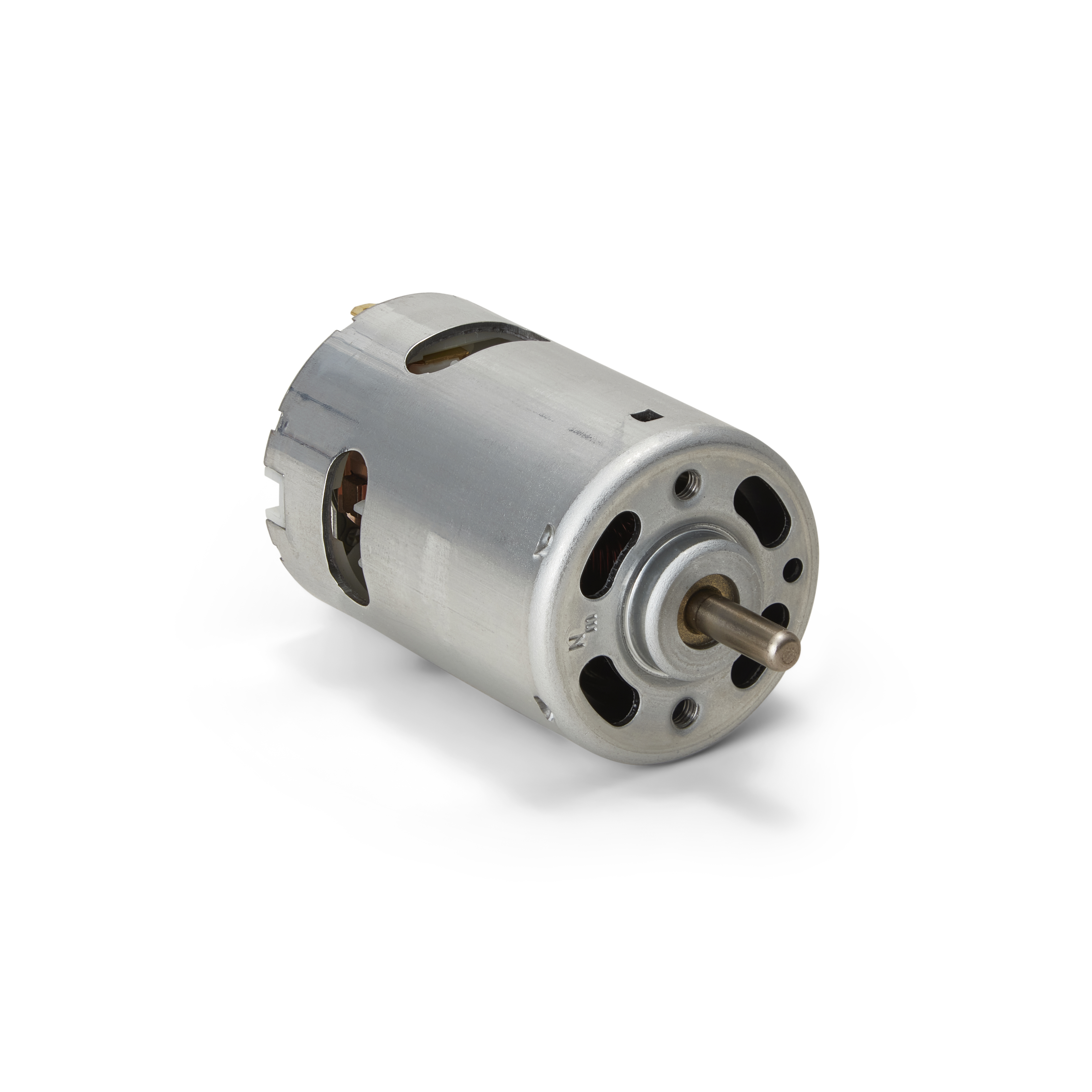
In which applications are DC motors commonly used, and what advantages do they offer?
DC (Direct Current) motors are widely used in various applications due to their versatility, controllability, and specific advantages they offer. Here’s a detailed explanation of the common applications of DC motors and the advantages they provide:
1. Robotics:
DC motors are extensively used in robotics for precise control of movement and manipulation. They provide high torque and speed control, allowing robots to perform tasks with accuracy and efficiency. DC motors enable robotic arms, grippers, and mobile robots to execute complex motions and interact with their environment effectively.
2. Industrial Automation:
In industrial automation, DC motors are employed in conveyors, actuators, and positioning systems. The ability to control the motor speed and torque makes them suitable for applications such as material handling, assembly lines, and CNC machines. DC motors offer precise control over acceleration, deceleration, and positioning, enhancing overall productivity and efficiency in manufacturing processes.
3. Electric Vehicles:
DC motors have been widely used in electric vehicles (EVs) for many years. They are commonly found in electric cars, motorcycles, and scooters. DC motors provide high torque from standstill, enabling efficient acceleration and smooth operation. They also offer regenerative braking capabilities, which help in energy recovery during deceleration, thereby increasing the vehicle’s overall efficiency.
4. Appliances:
DC motors are utilized in various household appliances, including fans, blenders, vacuum cleaners, and refrigerators. Their controllable speed and torque allow for efficient operation and improved energy consumption. In appliances where variable speed control is required, such as ceiling fans or blender settings, DC motors offer precise adjustment options to meet different user preferences.
5. Renewable Energy Systems:
DC motors play a crucial role in renewable energy systems, such as wind turbines and solar tracking systems. They convert the rotational energy from wind or sunlight into electrical energy. DC motors enable precise tracking of the sun’s movement for optimal solar energy collection and efficient conversion of wind energy into electricity.
6. Advantages of DC Motors:
DC motors offer several advantages that make them suitable for various applications:
- Precise Speed Control: DC motors provide accurate and adjustable speed control, allowing for precise regulation of motor output.
- High Starting Torque: DC motors deliver high torque at startup, making them suitable for applications requiring quick acceleration or heavy loads.
- Controllability: DC motors can be easily controlled using voltage regulation, current limiting, and feedback control techniques.
- Efficiency: DC motors have high efficiency, especially when operating at lower speeds.
- Reliability: DC motors are known for their robustness and reliability, requiring minimal maintenance.
- Compact Size: DC motors are available in various sizes and can be designed compactly, making them suitable for applications with space constraints.
These advantages make DC motors an attractive choice in various industries and applications where precise control, high starting torque, and reliability are essential.
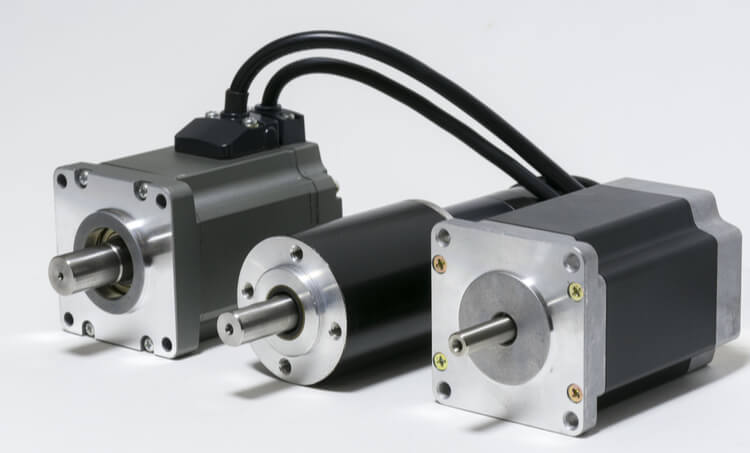
How do DC motors compare to AC motors in terms of performance and efficiency?
When comparing DC (Direct Current) motors and AC (Alternating Current) motors, several factors come into play, including performance and efficiency. Here’s a detailed explanation of how DC motors and AC motors compare in terms of performance and efficiency:
1. Performance:
Speed Control: DC motors typically offer better speed control compared to AC motors. DC motors can be easily controlled by varying the voltage applied to the armature, allowing for precise and smooth speed regulation. On the other hand, AC motors rely on complex control methods such as variable frequency drives (VFDs) to achieve speed control, which can be more challenging and costly.
Starting Torque: DC motors generally provide higher starting torque compared to AC motors. The presence of a separate field winding in DC motors allows for independent control of the field current, enabling higher torque during motor startup. AC motors, especially induction motors, typically have lower starting torque, requiring additional starting mechanisms or devices.
Reversibility: DC motors offer inherent reversibility, meaning they can easily change their rotational direction by reversing the polarity of the applied voltage. AC motors, particularly induction motors, require more complex control mechanisms to achieve reversible operation.
Dynamic Response: DC motors have faster dynamic response characteristics compared to AC motors. They can quickly accelerate or decelerate, making them suitable for applications that require rapid changes in speed or precise control, such as robotics or servo systems.
2. Efficiency:
Full Load Efficiency: AC motors, especially three-phase induction motors, generally exhibit higher full load efficiencies compared to DC motors. This efficiency advantage is primarily due to the absence of commutation and the use of a rotating magnetic field in AC motors, which results in reduced energy losses and improved efficiency.
Partial Load Efficiency: DC motors can have higher efficiency at partial loads compared to AC motors. DC motors can be controlled by adjusting the armature voltage, allowing them to operate at reduced power while maintaining relatively high efficiency. AC motors, especially induction motors, may experience reduced efficiency at partial loads due to factors such as increased iron losses and reduced power factor.
Regenerative Braking: DC motors offer the advantage of regenerative braking, where the motor acts as a generator and converts kinetic energy into electrical energy during deceleration or braking. This regenerative braking capability allows for energy recovery, increasing overall system efficiency. AC motors typically require additional components or systems to achieve regenerative braking.
Power Factor: AC motors, when properly designed and operated, can have a power factor close to unity. This means that they draw relatively low reactive power from the electrical grid, resulting in improved power system efficiency. DC motors, on the other hand, may exhibit a lower power factor and require power factor correction measures if necessary.
In summary, DC motors and AC motors have their respective strengths and weaknesses in terms of performance and efficiency. DC motors excel in speed control, starting torque, reversibility, and dynamic response. AC motors, particularly three-phase induction motors, generally offer higher full load efficiency and power factor. However, DC motors can achieve higher efficiency at partial loads and have the advantage of regenerative braking. The choice between DC motors and AC motors depends on the specific application requirements, cost considerations, and the desired balance between performance and efficiency.
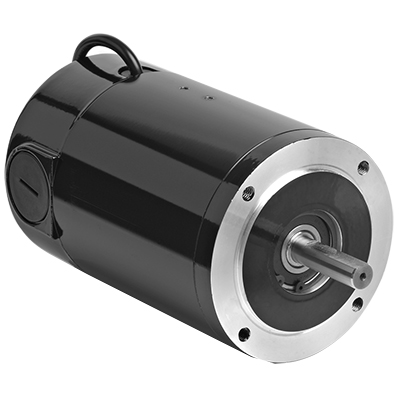
Are there innovations or emerging technologies in the field of DC motor design?
Yes, there have been several innovations and emerging technologies in the field of DC (Direct Current) motor design. These advancements aim to improve the performance, efficiency, reliability, and overall capabilities of DC motors. Here’s a detailed explanation of some notable innovations and emerging technologies in DC motor design:
1. Brushless DC Motors:
One significant advancement in DC motor design is the development and widespread adoption of brushless DC motors (BLDC motors). Unlike traditional DC motors that use brushes for commutation, BLDC motors employ electronic commutation through the use of permanent magnets and motor controller circuits. This eliminates the need for brushes, reducing maintenance requirements and improving overall motor efficiency and lifespan. BLDC motors offer higher torque density, smoother operation, better speed control, and improved energy efficiency compared to conventional brushed DC motors.
2. High-Efficiency Materials:
The use of high-efficiency materials in DC motor design has been an area of focus for improving motor performance. Advanced magnetic materials, such as neodymium magnets, have allowed for stronger and more compact motor designs. These materials increase the motor’s power density, enabling higher torque output and improved efficiency. Additionally, advancements in materials used for motor windings and core laminations have reduced electrical losses and improved overall motor efficiency.
3. Power Electronics and Motor Controllers:
Advancements in power electronics and motor control technologies have greatly influenced DC motor design. The development of sophisticated motor controllers and efficient power electronic devices enables precise control of motor speed, torque, and direction. These technologies have resulted in more efficient and reliable motor operation, reduced energy consumption, and enhanced motor performance in various applications.
4. Integrated Motor Systems:
Integrated motor systems combine the motor, motor controller, and associated electronics into a single unit. These integrated systems offer compact designs, simplified installation, and improved overall performance. By integrating the motor and controller, issues related to compatibility and communication between separate components are minimized. Integrated motor systems are commonly used in applications such as robotics, electric vehicles, and industrial automation.
5. IoT and Connectivity:
The integration of DC motors with Internet of Things (IoT) technologies and connectivity has opened up new possibilities for monitoring, control, and optimization of motor performance. By incorporating sensors, actuators, and connectivity features, DC motors can be remotely monitored, diagnosed, and controlled. This enables predictive maintenance, energy optimization, and real-time performance adjustments, leading to improved efficiency and reliability in various applications.
6. Advanced Motor Control Algorithms:
Advanced motor control algorithms, such as sensorless control and field-oriented control (FOC), have contributed to improved performance and efficiency of DC motors. Sensorless control techniques eliminate the need for additional sensors by leveraging motor current and voltage measurements to estimate rotor position. FOC algorithms optimize motor control by aligning the magnetic field with the rotor position, resulting in improved torque and efficiency, especially at low speeds.
These innovations and emerging technologies in DC motor design have revolutionized the capabilities and performance of DC motors. Brushless DC motors, high-efficiency materials, advanced motor control techniques, integrated motor systems, IoT connectivity, and advanced control algorithms have collectively contributed to more efficient, reliable, and versatile DC motor solutions across various industries and applications.


editor by CX 2024-05-15