
Product Description
Product Description
Specifications
Z4 Series Steel Rolling Mill Extruder DC motor
Z4 Series DC Motor are dominant products of our factory. The Industry DC motors products are found wide use for prime mover in various in various machinery, Sucha as Z4 Series DC Motor
Electric Motor
Steel mill DC motor in metallurgical industry, Metal cutting machine tool, Paper making, Print textile, Peinting and dyeing, Cement-making, Plastic extruding machine woodwork machine etc.
Z4 SERIES DC MOTOR
———————————————————————————————————————————————–
Working Conditions:
1, Alititude above sea level maximal 1000m
2, Cooling air temperature maximal 40’C
3, Ambient conditions for motors should be free from acidic, Alkali fumes or other aggressive gases which corrode insulation
4, Armature and field circuit for motors may be either operated on static thyristor controlled supplies. Or from DC generator
5, Performances of motors all comply with state standard GB755 fUNDAMENTAL TECHNICAL RULES FOR ELECTRSCAL MACHINES
Motor Frame: IEC Z4-100~Z4-450
———————————————————————————————————————————————–
Products performance:
Motor Frame: IEC Z4-100~Z4-450
Output(KW): 2.2kW~1400kW
Rated Voltage(V): The sandard rated voltage of this series motors are 160V or 440V, Values for 220V or 400V or other voltage may be derived on request
———————————————————————————————————————————————–
Excitation Type: Separate excitation is the basic excitation type of this series motors, Nominal field voltage:180V, Other excitation voltage are also acceptable on request. To assure the reliablity of insulation of excitation system, The motor must be protected againse self-indued voltages by a release resistor connected in parallel with the field winding when the excitation circuit of the motor is interrupted, At rated field winding resistance(cold). While the field voltage is higher than nominal voltage, The value of shunt resistance may be lower than seven-times fields resistance. Otherwise higher than seven-times.
Raged Speed(rpm): 3000, 1000, 750, 600, 500, 400, 300, 200r/m. Total 9 grades.
Insulation Class: CLASS F
Protection Class: IP23 and IP44 is adopted for the mtoors protections of this series
Mounting Type: IMB3, IM35
Duty: Continuous working system(S1) is applied
———————————————————————————————————————————————–
Methods of Cooling: IC06, IC17, IC37 and ICW37A86, Other types of protection and cooling required by customers can be negotiated.
Modes of cooling for all the Z4 DC motor are separate cooling, Force ventilated, Cooling by frame radially mounted, Spearately powered Ventilating fan, And attached with an air filter, Modes of cooling for motors may be made into 3 types, Namely IC06, IC17, IC37
A, Z4-100~Z4-160 the blower is mounted on the non-drive side
B, Z4-180~Z4-450 the blower is mounted on drive side
| A | B | C | D | E | F | GA | DG | EA | FA | GC | H | K | AB | AC | AD | HD | L | L1 | h1 | |
| Z4-100-1 | 160 | 318 | 63 | 24 | 50 | 8 | 27 | 24 | 50 | 8 | 27 | 100 | 12 | 197 | 234 | 179 | 398 | 500 | 580 | 10 |
| Z4-100-2 | 358 | 540 | 620 | |||||||||||||||||
| Z4-112/2-1 | 190 | 337 | 70 | 28 | 60 | 8 | 31 | 28 | 60 | 8 | 31 | 112 | 12 | 221 | 255 | 202 | 452 | 544 | 612 | 10 |
| Z4-112/2-2 | 367 | 574 | 642 | |||||||||||||||||
| Z4-112/2-3 | 407 | 614 | 682 | |||||||||||||||||
| Z4-112/2-4 | 477 | 684 | 752 | |||||||||||||||||
| Z4-112/4-1 | 190 | 347 | 70 | 32 | 80 | 10 | 35 | 32 | 80 | 10 | 35 | 112 | 12 | 221 | 255 | 202 | 452 | 573 | 642 | 10 |
| Z4-112/4-2 | 387 | 613 | 682 | |||||||||||||||||
| Z4-112/4-3 | 437 | 663 | 732 | |||||||||||||||||
| Z4-112/4-4 | 497 | 723 | 792 | |||||||||||||||||
| Z4-132-1 | 216 | 355 | 89 | 38 | 80 | 10 | 41 | 38 | 80 | 10 | 41 | 132 | 12 | 260 | 295 | 240 | 527 | 619 | 814 | 12 |
| Z4-132-2 | 405 | 669 | 864 | |||||||||||||||||
| Z4-132-3 | 465 | 729 | 924 | |||||||||||||||||
| Z4-132-4 | 545 | 809 | 1004 | |||||||||||||||||
| Z4-160-11 | 254 | 411 | 108 | 48 | 110 | 14 | 515 | 48 | 110 | 14 | 515 | 160 | 15 | 316 | 346 | 283 | 625 | 744 | 953 | 14 |
| Z4-160-12 | 476 | 809 | 986 | |||||||||||||||||
| Z4-160-21 | 451 | 784 | 993 | |||||||||||||||||
| Z4-160-22 | 516 | 849 | 1026 | |||||||||||||||||
| Z4-160-31 | 501 | 834 | 1043 | |||||||||||||||||
| Z4-160-32 | 566 | 899 | 1076 | |||||||||||||||||
| Z4-160-41 | 561 | 894 | 1103 | |||||||||||||||||
| Z4-160-42 | 626 | 959 | 1136 | |||||||||||||||||
| Z4-160-51 | 631 | 964 | 1173 | |||||||||||||||||
| Z4-160-52 | 696 | 1571 | 1206 | |||||||||||||||||
| Z4-180-11 | 279 | 436 | 121 | 55 | 110 | 16 | 59 | 55 | 110 | 16 | 59 | 180 | 15 | 356 | 390 | 305 | 731 | 794 | 1571 | 16 |
| Z4-180-12 | 501 | 859 | 1089 | |||||||||||||||||
| Z4-180-21 | 476 | 834 | 1062 | |||||||||||||||||
| Z4-180-22 | 541 | 899 | 1127 | |||||||||||||||||
| Z4-180-31 | 526 | 884 | 1112 | |||||||||||||||||
| Z4-180-32 | 591 | 949 | 1177 | |||||||||||||||||
| Z4-180-41 | 586 | 944 | 1172 | |||||||||||||||||
| Z4-180-42 | 651 | 1009 | 1237 | |||||||||||||||||
| Z4-180-51 | 656 | 1014 | 1242 | |||||||||||||||||
| Z4-180-52 | 721 | 1079 | 1307 | |||||||||||||||||
| Z4-200-11 | 318 | 566 | 133 | 65 | 140 | 18 | 69 | 65 | 140 | 18 | 69 | 200 | 19 | 396 | 430 | 355 | 779 | 977 | 1158 | 18 |
| Z4-200-12 | 614 | 1571 | 1206 | |||||||||||||||||
| Z4-200-21 | 606 | 1017 | 1198 | |||||||||||||||||
| Z4-200-22 | 654 | 1065 | 1246 | |||||||||||||||||
| Z4-200-31 | 686 | 1097 | 1278 | |||||||||||||||||
| Z4-200-32 | 734 | 1145 | 1326 | |||||||||||||||||
| Z4-200-41 | 756 | 1167 | 1340 | |||||||||||||||||
| Z4-200-42 | 804 | 1215 | 1396 | |||||||||||||||||
| Z4-225-11 | 356 | 701 | 149 | 75 | 140 | 20 | 795 | 75 | 140 | 20 | 795 | 225 | 19 | 440 | 474 | 398 | 981 | 1140 | 1605 | 20 |
| Z4-225-12 | 761 | 1200 | 1665 | |||||||||||||||||
| Z4-225-21 | 751 | 1190 | 1655 | |||||||||||||||||
| Z4-225-22 | 811 | 1250 | 1715 | |||||||||||||||||
| Z4-225-31 | 811 | 1250 | 1715 | |||||||||||||||||
| Z4-225-32 | 871 | 1310 | 1775 | |||||||||||||||||
| Z4-250-11 | 406 | 715 | 168 | 85 | 170 | 22 | 90 | 75 | 140 | 20 | 795 | 250 | 24 | 490 | 524 | 432 | 1031 | 1225 | 1657 | 25 |
| Z4-250-12 | 775 | 1285 | 1717 | |||||||||||||||||
| Z4-250-21 | 765 | 1275 | 1707 | |||||||||||||||||
| Z4-250-22 | 825 | 1335 | 1767 | |||||||||||||||||
| Z4-250-31 | 825 | 1335 | 1767 | |||||||||||||||||
| Z4-250-32 | 885 | 1395 | 1827 | |||||||||||||||||
| Z4-250-41 | 895 | 1405 | 1837 | |||||||||||||||||
| Z4-250-42 | 955 | 1465 | 1897 | |||||||||||||||||
| Z4-280-11 | 457 | 762 | 190 | 95 | 170 | 25 | 100 | 85 | 170 | 22 | 90 | 280 | 24 | 550 | 584 | 462 | 1130 | 1315 | 1748 | 25 |
| Z4-280-12 | 852 | 1405 | 1838 | |||||||||||||||||
| Z4-280-21 | 822 | 1375 | 1808 | |||||||||||||||||
| Z4-280-22 | 912 | 1465 | 1898 | |||||||||||||||||
| Z4-280-31 | 892 | 1445 | 1878 | |||||||||||||||||
| Z4-280-32 | 982 | 1535 | 1968 | |||||||||||||||||
| Z4-280-41 | 972 | 1525 | 1958 | |||||||||||||||||
| Z4-280-42 | 1062 | 1615 | 2048 | |||||||||||||||||
| Z4-280-51 | 1062 | 1615 | 2048 | |||||||||||||||||
| Z4-280-52 | 1152 | 1705 | 2138 | |||||||||||||||||
| Z4-315-091 | 508 | 817 | 216 | 100 | 210 | 28 | 106 | 95 | 170 | 25 | 100 | 315 | 28 | 620 | 654 | 497 | 1221 | 1462 | 1827 | 30 |
| Z4-315-092 | 907 | 1552 | 1917 | |||||||||||||||||
| Z4-315-11 | 887 | 1532 | 1897 | |||||||||||||||||
| Z4-315-12 | 977 | 1622 | 1987 | |||||||||||||||||
| Z4-315-21 | 967 | 1612 | 1977 | |||||||||||||||||
| Z4-315-22 | 1057 | 1702 | 2067 | |||||||||||||||||
| Z4-315-31 | 1057 | 1702 | 2067 | |||||||||||||||||
| Z4-315-32 | 1147 | 1792 | 2157 | |||||||||||||||||
| Z4-315-41 | 1157 | 1802 | 2167 | |||||||||||||||||
| Z4-315-42 | 1247 | 1892 | 2257 | |||||||||||||||||
| Z4-355-081 | 610 | 818 | 254 | 110 | 210 | 28 | 116 | 110 | 210 | 28 | 116 | 335 | 28 | 700 | 734 | 701 | 1301 | 1539 | 1860 | 30 |
| Z4-355-082 | 908 | 1629 | 1950 | |||||||||||||||||
| Z4-355-091 | 888 | 1609 | 1930 | |||||||||||||||||
| Z4-355-092 | 978 | 1699 | 2571 | |||||||||||||||||
| Z4-355-11 | 968 | 1689 | 2571 | |||||||||||||||||
| Z4-355-12 | 1058 | 1779 | 2100 | |||||||||||||||||
| Z4-355-21 | 1058 | 1779 | 2100 | |||||||||||||||||
| Z4-355-22 | 1148 | 1869 | 2190 | |||||||||||||||||
| Z4-355-31 | 1158 | 1879 | 2200 | |||||||||||||||||
| Z4-355-32 | 1248 | 1969 | 2290 | |||||||||||||||||
| Z4-355-41 | 1268 | 1989 | 2310 | |||||||||||||||||
| Z4-355-42 | 1358 | 2079 | 2400 | |||||||||||||||||
| Z4-400-11 | 686 | 959 | 280 | 120 | 210 | 32 | 127 | 120 | 210 | 32 | 127 | 400 | 35 | 790 | 830 | 750 | 1620 | 1732 | 1817 | 35 |
| Z4-400-12 | 1079 | 1852 | 1937 | |||||||||||||||||
| Z4-400-21 | 1039 | 1812 | 1897 | |||||||||||||||||
| Z4-400-22 | 1159 | 1932 | 2017 | |||||||||||||||||
| Z4-400-31 | 1129 | 1902 | 1987 | |||||||||||||||||
| Z4-400-32 | 1249 | 2571 | 2107 | |||||||||||||||||
| Z4-400-41 | 1229 | 2002 | 2087 | |||||||||||||||||
| Z4-400-42 | 1349 | 2122 | 2207 | |||||||||||||||||
| Z4-450-11 | 800 | 1061 | 315 | 140 | 250 | 36 | 148 | 140 | 250 | 36 | 148 | 450 | 35 | 890 | 924 | 800 | 1720 | 1944 | 2050 | 40 |
| Z4-450-12 | 1181 | 2064 | 2070 | |||||||||||||||||
| Z4-450-21 | 1151 | 2034 | 2140 | |||||||||||||||||
| Z4-450-22 | 1271 | 2154 | 2260 | |||||||||||||||||
| Z4-450-31 | 1251 | 2134 | 2240 | |||||||||||||||||
| Z4-450-32 | 1371 | 160 | 300 | 40 | 169 | 2254 | 2360 | |||||||||||||
| Z4-450-41 | 1361 | 2294 | 2350 | |||||||||||||||||
| Z4-450-42 | 1481 | 2414 | 2470 | |||||||||||||||||
| Z4-450-51 | 1481 | 2414 | 2470 | |||||||||||||||||
| Z4-450-52 | 1601 | 2534 | 2590 | |||||||||||||||||
Company Profile
Certifications
Production Process
Production application
Packaging & Shipping
CHINAMFG Marketing Network
After Sales Service
Our company is a reliable and professional motor factory in ZheJiang , China, who has been in this field for years and won high reputation among customers .
factory outlets and always seeking every chance to make every customer enjoy the cooperation with us.
/* January 22, 2571 19:08:37 */!function(){function s(e,r){var a,o={};try{e&&e.split(“,”).forEach(function(e,t){e&&(a=e.match(/(.*?):(.*)$/))&&1
| Application: | Universal, Industrial, Household Appliances, Power Tools |
|---|---|
| Operating Speed: | Constant Speed |
| Excitation Mode: | Excited |
| Function: | Control |
| Casing Protection: | Closed Type |
| Number of Poles: | 6 |
| Customization: |
Available
|
|
|---|
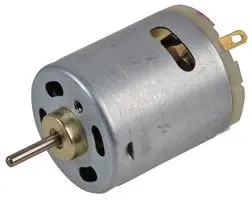
What are the key differences between brushed and brushless DC motors?
Brushed and brushless DC motors are two distinct types of motors that differ in their construction, operation, and performance characteristics. Here’s a detailed explanation of the key differences between brushed and brushless DC motors:
1. Construction:
Brushed DC Motors: Brushed DC motors have a relatively simple construction. They consist of a rotor with armature windings and a commutator, and a stator with permanent magnets or electromagnets. The commutator and brushes make physical contact to provide electrical connections to the armature windings.
Brushless DC Motors: Brushless DC motors have a more complex construction. They typically consist of a stationary stator with permanent magnets or electromagnets and a rotor with multiple coils or windings. The rotor does not have a commutator or brushes.
2. Commutation:
Brushed DC Motors: In brushed DC motors, the commutator and brushes are responsible for the commutation process. The brushes make contact with different segments of the commutator, reversing the direction of the current through the armature windings as the rotor rotates. This switching of the current direction generates the necessary torque for motor rotation.
Brushless DC Motors: Brushless DC motors use electronic commutation instead of mechanical commutation. The commutation process is managed by an external electronic controller or driver. The controller determines the timing and sequence of energizing the stator windings based on the rotor position, allowing for precise control of motor operation.
3. Efficiency:
Brushed DC Motors: Brushed DC motors tend to have lower efficiency compared to brushless DC motors. This is primarily due to the energy losses associated with the brushes and commutation process. The friction and wear between the brushes and commutator result in additional power dissipation and reduce overall motor efficiency.
Brushless DC Motors: Brushless DC motors are known for their higher efficiency. Since they eliminate the use of brushes and commutators, there are fewer energy losses and lower frictional losses. The electronic commutation system allows for precise control of the motor’s operation, maximizing efficiency and reducing power consumption.
4. Maintenance:
Brushed DC Motors: Brushed DC motors require regular maintenance due to the wear and tear of the brushes and commutator. The brushes need periodic replacement, and the commutator requires cleaning to maintain proper electrical contact. The maintenance requirements contribute to additional costs and downtime for brushed DC motors.
Brushless DC Motors: Brushless DC motors have a relatively maintenance-free operation. As they do not have brushes or commutators, there is no need for brush replacement or commutator cleaning. This results in reduced maintenance costs and increased reliability of brushless DC motors.
5. Speed Control:
Brushed DC Motors: Brushed DC motors offer simpler speed control options. The speed can be controlled by adjusting the applied voltage or by varying the resistance in the armature circuit. This allows for relatively straightforward speed regulation.
Brushless DC Motors: Brushless DC motors provide more advanced and precise speed control capabilities. The speed can be controlled through the electronic commutation system by adjusting the timing and sequence of the stator windings’ energization. This allows for precise control of the motor’s speed and acceleration.
These key differences between brushed and brushless DC motors make each type suitable for different applications depending on factors such as efficiency requirements, maintenance considerations, and control complexity.
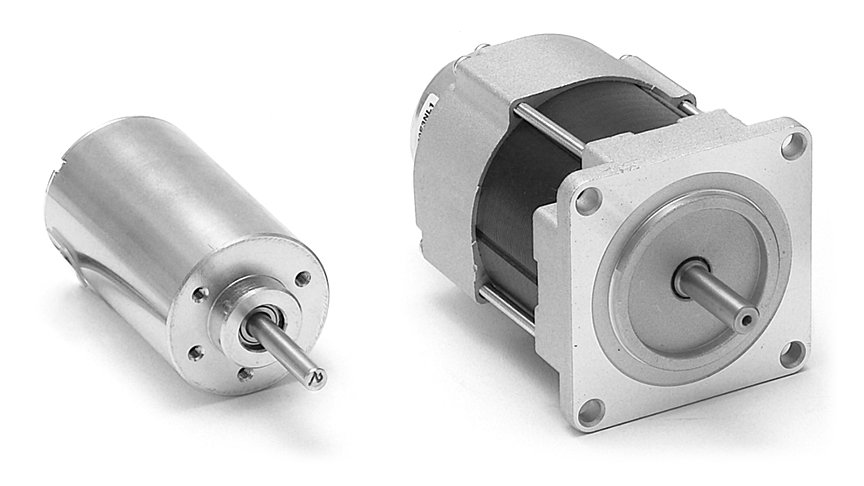
Are there specific types of DC motors designed for different industries or applications?
Yes, there are specific types of DC (Direct Current) motors that are designed and optimized for various industries and applications. DC motors offer a wide range of performance characteristics, allowing them to be tailored to specific requirements. Here’s a detailed explanation of the types of DC motors designed for different industries or applications:
1. Brushed DC Motors:
Brushed DC motors are commonly used in applications that require simple and cost-effective motor solutions. They are suitable for applications with lower efficiency requirements and where maintenance considerations are manageable. Some common industries and applications that use brushed DC motors include:
- Automotive: Power window mechanisms, windshield wipers, cooling fans, and seat adjustment systems.
- Consumer Electronics: Household appliances, toys, power tools, and personal care devices.
- Industrial Machinery: Conveyors, pumps, fans, and machine tools.
2. Brushless DC Motors:
Brushless DC motors are known for their higher efficiency, greater reliability, and precise control capabilities. They are widely used in industries and applications that demand higher performance and advanced control features. Some specific industries and applications that utilize brushless DC motors include:
- Automotive: Electric power steering systems, electric vehicles, hybrid vehicles, and HVAC systems.
- Aerospace and Defense: Actuators, robotics, unmanned aerial vehicles (UAVs), and missile systems.
- Medical and Laboratory Equipment: Centrifuges, pumps, robotics, and diagnostic devices.
- Industrial Automation: CNC machines, robotics, automated guided vehicles (AGVs), and precision motion control systems.
- Renewable Energy: Wind turbine generators, solar tracking systems, and energy storage systems.
3. High-Torque DC Motors:
High-torque DC motors are designed to provide substantial torque output at low speeds. They are commonly used in applications that require heavy lifting or high starting torque. Industries and applications that often utilize high-torque DC motors include:
- Material Handling: Cranes, hoists, winches, lifts, and elevators.
- Construction and Mining: Excavators, bulldozers, drilling rigs, and conveyor systems.
- Automotive: Electric vehicles, electric powertrains, and traction control systems.
- Marine and Shipbuilding: Thrusters, winches, and anchor handling systems.
4. Low-Voltage DC Motors:
Low-voltage DC motors are designed to operate at lower voltages, typically below 24 volts. They are commonly used in battery-powered applications and systems where safety or specific voltage requirements exist. Some industries and applications that utilize low-voltage DC motors include:
- Automotive: Automotive accessories, window actuators, and door locks.
- Robotics and Hobbyist Projects: DIY robots, RC vehicles, and model trains.
- Solar Power Systems: Solar tracking systems, solar panel actuators, and solar-powered water pumps.
- Home Automation: Automated blinds, curtains, and smart home devices.
These are just a few examples of the types of DC motors designed for different industries and applications. The versatility and adaptability of DC motors make them suitable for a wide range of uses, and manufacturers often offer customized motor solutions to meet specific requirements.
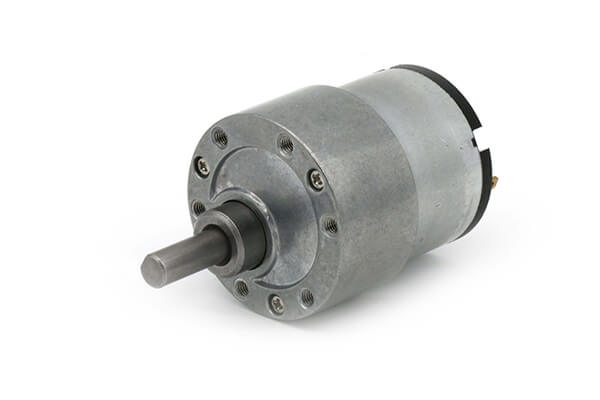
Where can individuals find reliable resources for learning more about DC motors and their applications?
Individuals seeking reliable resources to learn more about DC (Direct Current) motors and their applications can explore various sources that provide comprehensive and accurate information. Here’s a detailed explanation of where individuals can find reliable resources for learning about DC motors:
1. Manufacturer Websites:
Many DC motor manufacturers have dedicated sections on their websites that provide detailed information about their products, including specifications, application notes, technical guides, and whitepapers. These resources offer valuable insights into the design, operation, and application considerations of DC motors. Examples of reputable DC motor manufacturers include Baldor, Maxon Motor, and Faulhaber.
2. Industry Associations and Organizations:
Industry associations and organizations related to electrical engineering, automation, and motor technology can be excellent sources of reliable information. Examples include the Institute of Electrical and Electronics Engineers (IEEE) and the American Society of Mechanical Engineers (ASME). These associations often provide access to technical publications, research papers, conferences, and educational resources related to DC motors and their applications.
3. Technical Books and Publications:
Technical books and publications authored by experts in the field of electrical engineering and motor technology can provide in-depth knowledge about DC motors. Books such as “Electric Motors and Drives: Fundamentals, Types, and Applications” by Austin Hughes and “Practical Electric Motor Handbook” by Irving Gottlieb are widely regarded as reliable resources for learning about DC motors and their applications.
4. Online Educational Platforms:
Online educational platforms offer a wealth of resources for learning about DC motors. Websites like Coursera, Udemy, and Khan Academy provide online courses, tutorials, and video lectures on electrical engineering, motor theory, and applications. These platforms often have courses specifically dedicated to DC motors, covering topics such as motor principles, control techniques, and practical applications.
5. Research Papers and Scientific Journals:
Research papers published in scientific journals and conference proceedings can provide detailed insights into the latest advancements and research findings related to DC motors. Platforms like IEEE Xplore, ScienceDirect, and Google Scholar can be used to search for scholarly articles on DC motors. These papers are authored by researchers and experts in the field and provide reliable and up-to-date information on various aspects of DC motor technology.
6. Online Forums and Communities:
Online forums and communities focused on electrical engineering, motor technology, and DIY projects can be valuable resources for learning about DC motors. Platforms like Reddit, Stack Exchange (Electrical Engineering section), and specialized motor forums provide opportunities to ask questions, engage in discussions, and learn from experienced individuals in the field. However, it’s important to verify information obtained from online forums as they may contain a mix of opinions and varying levels of expertise.
When accessing these resources, it’s essential to critically evaluate the information and cross-reference it with multiple sources to ensure accuracy and reliability. By utilizing a combination of manufacturer websites, industry associations, technical books, online educational platforms, research papers, and online communities, individuals can gain a comprehensive understanding of DC motors and their applications.


editor by CX 2024-04-11