
Product Description
Professional design, production and sales of dc motor, ultra-low noise, long life, high reliability, high cost performance, quality assurance. Wholesale customization, factory direct sales
We are biggest of chinese government company 30 years experiences,
1000 workers with 10 billion USD turnover in ZheJiang china .Welcome your visiting
| Model | Power | Armature voltage | Armature current | Excitation voltage | Exciting current | Speed | Cooling mode | protection class | Duty | insulation class | motor installation type |
| Z560-3B | 800kw | 738v/750v/750v | 1146A/1127A/1127A | 310V | 34.3A | 500/509/1000r/min | ICW37A86 | IP54 | S1 | F | IMB3 |
Induction CHINAMFG is used for smelting or insulating ferrous metals, non-ferrous metals, sponge iron, such as scrap iron, scrap steel, copper, aluminum and so on. Complete working equipment such as continuous casting machine, rolling mill, mainly used for the production of billet, steel bar, angle steel, H-beam, I-beam, etc. Using KGPS, IGBT, single or double power supply technology, PLC (Siemens) can be realized throughout the monitoring.
Main supply list: 2 sets of electric CHINAMFG body, 2 sets of hydraulic or mechanical tilting electric CHINAMFG mechanism, 1 set of control platform, 1 set of intermediate frequency control cabinet (6 pulse 1, 12 pulse 2, 24 pulse 4), low voltage control cabinet (6 pulse 1, 12 pulse 2, 24 pulse 4), 1 set of capacitor cabinet, 4 or 8 water-cooled cables; 1 water temperature alarm, 1 leakage alarm; 1 crucible mold, 1 liquid One batch of pressure steel pipe, 1 set of copper row, 3 water tanks. Transformer, cooling tower, CHINAMFG builder, CHINAMFG CHINAMFG ejector, CHINAMFG cover.
KGSP Induction Electric Furnace
GW-8-4000-0.5J KGSP Induction Electric Furnace
GW-1-750-1JJ Medium frequency coreless electric furnace
GW-50-22000-0.2J No induction melting furnace
GW-0.25-160-1JJ melting electric furnace
GW-1.5-1000-1J Medium frequency induction furnace
| NO. | Electric Furnace Type |
Input power (KW) |
input voltage (V) |
Input current (A) |
Rated power (KW) |
DC current (A) |
DC voltage (V) |
Melting rate (T/H) |
working frequency (HZ) |
working voltage (V) |
cooling water pressure(MPA) |
Rated capacity (T) |
Power consumption (KWH/T) |
|
| Power Supply |
Furnace body |
|||||||||||||
| 1 | GW-0.25-160/1JJ | 180 | 380 (6 Pulse) |
256 | 160 | 320 | 500 | 0.24 | 1000 | 750 | 0.1~0.15 | 0.25~0.3 | 0.25 | 790 |
| 2 | GW-0.5-250/1JJ | 280 | 380 (6 Pulse) |
400 | 250 | 500 | 500 | 0.4 | 1000 | 1500 | 0.1~0.15 | 0.25~0.3 | 0.5 | 770 |
| 3 | GW-0.5-250/1J | 280 | 380 (6 Pulse) |
400 | 250 | 500 | 500 | 0.4 | 1000 | 1500 | 0.1~0.15 | 0.25~0.3 | 0.5 | 770 |
| 4 | GW-0.75-400/1JJ | 400 | 380 (6 Pulse) |
650 | 400 | 800 | 500 | 0.6 | 1000 | 1500 | 0.1~0.15 | 0.25~0.3 | 0.75 | 770 |
| 5 | GW-0.75-400/1J | 400 | 380 (6 Pulse) |
650 | 400 | 800 | 500 | 0.6 | 1000 | 1500 | 0.1~0.15 | 0.25~0.3 | 0.75 | 770 |
| 6 | GW-1-500/1JJ | 550 | 380 (6 Pulse) |
800 | 500 | 1000 | 500 | 0.8 | 1000 | 1500 | 0.1~0.15 | 0.25~0.3 | 1 | 750 |
| 7 | GW-1-750/1JJ | 800 | 380/690 (6 Pulse) |
1200/ 700 |
750 | 1500/ 850 |
500/ 880 |
0.9 | 1000/ 500 |
1500/ 2600 |
0.1~0.15 | 0.25~0.3 | 1 | 720/660 |
| 8 | GW-1-750/1J | 800 | 380/690 (6 Pulse) |
1200/ 700 |
750 | 1500/ 850 |
500/ 880 |
0.9 | 1000/ 500 |
1500/ 2600 |
0.1~0.15 | 0.25~0.3 | 1 | 720/660 |
| 9 | GW-1.5-1000/0.5JJ | 1100 | 690 (6 Pulse) |
912 | 1000 | 1140 | 880 | 1.2 | 500 | 2600 | 0.1~0.15 | 0.25~0.3 | 1.5 | 700 |
| 10 | GW-1.5-1000/0.5J | 1100 | 690 (6 Pulse) |
912 | 1000 | 1140 | 880 | 1.2 | 500 | 2600 | 0.1~0.15 | 0.25~0.3 | 1.5 | 700 |
| 11 | GW-2-1500/0.5JJ | 1650 | 690 (6 Pulse) |
1360 | 1500 | 1700 | 880 | 1.7 | 500 | 2600 | 0.1~0.15 | 0.25~0.3 | 2 | 675 |
| 12 | GW-2-1500/0.5J | 1650 | 690 (6 Pulse) |
1360 | 1500 | 1700 | 880 | 1.7 | 500 | 2600 | 0.1~0.15 | 0.25~0.3 | 2 | 675 |
| 13 | GW-2-2000/0.5JJ | 2200 | 690 (6 Pulse) |
1400 | 2000 | 2275 | 880 | 1.9 | 500 | 2600 | 0.1~0.15 | 0.25~0.3 | 2 | 650 |
| 14 | GW-3-2500/0.5JJ | 2750 | 690/950 (6 Pulse) |
2275/ 1700 |
2500 | 2840/ 2080 |
880/ 1250 |
2.56 | 500 | 2600/3200 | 0.1~0.15 | 0.25~0.3 | 3 | 610/560 |
| 15 | GW-3-2500/0.5J | 2750 | 690/950 (6 Pulse) |
2275/ 1700 |
2500 | 2840/ 2080 |
880/ 1250 |
2.56 | 500 | 2600/3200 | 0.1~0.15 | 0.25~0.3 | 3 | 610/560 |
| 16 | GW-4-3000/0.5J | 3300 | 690/950 (6 Pulse) |
2730/ 2040 |
3000 | 3410/ 2500 |
880/ 1250 |
3.2 | 500 | 2600/3200 | 0.1~0.15 | 0.25~0.3 | 4 | 610/560 |
| 17 | GW-5-4000/0.5J | 4400 | 950 (6 Pulse) |
2300 | 4000 | 3330 | 1250 | 5 | 500 | 3400 | 0.1~0.15 | 0.25~0.3 | 5 | 600/550 |
| 18 | GW-6-4000/0.5J | 4400 | 950 (12 Pulse) |
2300 | 4000 | 3330 | 1250 | 5 | 500 | 3400 | 0.1~0.15 | 0.25~0.3 | 6 | 600/550 |
| 19 | GW-8-5000/0.5J | 5000 | 950 (12 Pulse) |
3400 | 5000 | 4200 | 1250 | 7~8 | 500 | 3400 | 0.1~0.15 | 0.25~0.3 | 8 | 600/550 |
| 20 | GW-10-6000/0.5J | 6300 | 950 (12 Pulse) |
3750 | 6000 | 4600 | 1250 | 8.5~9 | 500 | 3400 | 0.1~0.15 | 0.25~0.3 | 10 | 600/550 |
| 21 | GW-12-8000/0.25J | 8000 | 950 (12 Pulse) |
4900 | 8000 | 6000 | 1250 | 9~10.5 | 250 | 3400 | 0.1~0.15 | 0.25~0.3 | 12 | 600-550 |
| 22 | GW-15-8000/0.25J | 8000 | 950 (12 Pulse) |
4900 | 8000 | 6000 | 1250 | 9~10.5 | 250 | 3400 | 0.1~0.15 | 0.25~0.3 | 15 | 600-550 |
| 23 | GW-15-10000/0.25J | 10000 | 950 (24 Pulse) |
6500 | 10000 | 8000 | 1250 | 13~15 | 250 | 3400 | 0.1~0.15 | 0.25~0.3 | 15 | 600-550 |
| 24 | GW-18-12000/0.25J | 12000 | 950 (24 Pulse) |
8160 | 12000 | 10000 | 1200 | 15~17 | 250 | 3400 | 0.1~0.15 | 0.25~0.3 | 18 | 600-550 |
| 25 | GW-20-12000/0.25J | 12000 | 950 (24 Pulse) |
8160 | 12000 | 10000 | 1200 | 17~19 | 250 | 3400 | 0.1~0.15 | 0.25~0.3 | 20 | 600-550 |
| 26 | GW-25-14000/0.25J | 14000 | 950 (24 Pulse) |
9460 | 14000 | 11600 | 1200 | 19~21 | 150~200 | 3400 | 0.1~0.15 | 0.25~0.3 | 25 | 600-550 |
| 27 | GW-30-16000/0.2J | 16000 | 950 (24 Pulse) |
10850 | 16000 | 13300 | 1200 | 21~23 | 150~200 | 3400 | 0.1~0.15 | 0.25~0.3 | 30 | 600-550 |
| 28 | GW-40-20000/0.2J | 20000 | 950 (24 Pulse) |
13545 | 20000 | 16600 | 1200 | 25~27 | 150~200 | 3400 | 0.1~0.15 | 0.25~0.3 | 40 | 600-550 |
| 29 | GW-50-22000/0.2J | 22000 | 950 (24 Pulse) |
14932 | 22000 | 18300 | 1200 | 25~28 | 150~200 | 3400 | 0.1~0.15 | 0.25~0.3 | 50 | 600-550 |
Note:
(1) GW – means medium frequency induction furnace, – 1 – means induction CHINAMFG capacity of 1 ton, – 500 – means CHINAMFG rated power of 500 KW, / 1 – means CHINAMFG operating frequency of 1000 Hz, / 0.5 – means melting CHINAMFG frequency of 500 Hz, – J – means hydraulic tilting CHINAMFG (furnace shell is steel shell), – JJ – means mechanical tilting furnace. (the shell of the CHINAMFG is aluminum alloy).
(2) The above quoted price is for routine configuration. Other configurations can be added, such as leak alarm, water temperature alarm, CHINAMFG switch, cover mechanism, CHINAMFG ejector and transformer, cooling device (open and close cooling tower, closed cooling tower, plate heat exchanger)
3) If necessary, send technicians to carry out the commissioning: the domestic section is free; the overseas section travel expenses, accommodation and food are borne by the user and each person is subsidized 150 US dollars per day.
4) I quote EX-W at a price including simple packing, including shipping charges to ZheJiang port area and all inland charges in China.
V) The above electric CHINAMFG voltage levels are 380V, 690V and 950/1000V, and the frequency is 50HZ. If the user equipment requirements are different from the above voltage levels and frequencies, each item needs to be increased by 15000USD.
| Application: | Universal, Industrial |
|---|---|
| Operating Speed: | Adjust Speed |
| Excitation Mode: | Excited |
| Customization: |
Available
|
|
|---|
.shipping-cost-tm .tm-status-off{background: none;padding:0;color: #1470cc}
|
Shipping Cost:
Estimated freight per unit. |
about shipping cost and estimated delivery time. |
|---|
| Payment Method: |
|
|---|---|
|
Initial Payment Full Payment |
| Currency: | US$ |
|---|
| Return&refunds: | You can apply for a refund up to 30 days after receipt of the products. |
|---|
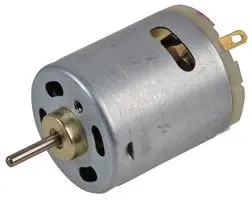
What are the key differences between brushed and brushless DC motors?
Brushed and brushless DC motors are two distinct types of motors that differ in their construction, operation, and performance characteristics. Here’s a detailed explanation of the key differences between brushed and brushless DC motors:
1. Construction:
Brushed DC Motors: Brushed DC motors have a relatively simple construction. They consist of a rotor with armature windings and a commutator, and a stator with permanent magnets or electromagnets. The commutator and brushes make physical contact to provide electrical connections to the armature windings.
Brushless DC Motors: Brushless DC motors have a more complex construction. They typically consist of a stationary stator with permanent magnets or electromagnets and a rotor with multiple coils or windings. The rotor does not have a commutator or brushes.
2. Commutation:
Brushed DC Motors: In brushed DC motors, the commutator and brushes are responsible for the commutation process. The brushes make contact with different segments of the commutator, reversing the direction of the current through the armature windings as the rotor rotates. This switching of the current direction generates the necessary torque for motor rotation.
Brushless DC Motors: Brushless DC motors use electronic commutation instead of mechanical commutation. The commutation process is managed by an external electronic controller or driver. The controller determines the timing and sequence of energizing the stator windings based on the rotor position, allowing for precise control of motor operation.
3. Efficiency:
Brushed DC Motors: Brushed DC motors tend to have lower efficiency compared to brushless DC motors. This is primarily due to the energy losses associated with the brushes and commutation process. The friction and wear between the brushes and commutator result in additional power dissipation and reduce overall motor efficiency.
Brushless DC Motors: Brushless DC motors are known for their higher efficiency. Since they eliminate the use of brushes and commutators, there are fewer energy losses and lower frictional losses. The electronic commutation system allows for precise control of the motor’s operation, maximizing efficiency and reducing power consumption.
4. Maintenance:
Brushed DC Motors: Brushed DC motors require regular maintenance due to the wear and tear of the brushes and commutator. The brushes need periodic replacement, and the commutator requires cleaning to maintain proper electrical contact. The maintenance requirements contribute to additional costs and downtime for brushed DC motors.
Brushless DC Motors: Brushless DC motors have a relatively maintenance-free operation. As they do not have brushes or commutators, there is no need for brush replacement or commutator cleaning. This results in reduced maintenance costs and increased reliability of brushless DC motors.
5. Speed Control:
Brushed DC Motors: Brushed DC motors offer simpler speed control options. The speed can be controlled by adjusting the applied voltage or by varying the resistance in the armature circuit. This allows for relatively straightforward speed regulation.
Brushless DC Motors: Brushless DC motors provide more advanced and precise speed control capabilities. The speed can be controlled through the electronic commutation system by adjusting the timing and sequence of the stator windings’ energization. This allows for precise control of the motor’s speed and acceleration.
These key differences between brushed and brushless DC motors make each type suitable for different applications depending on factors such as efficiency requirements, maintenance considerations, and control complexity.
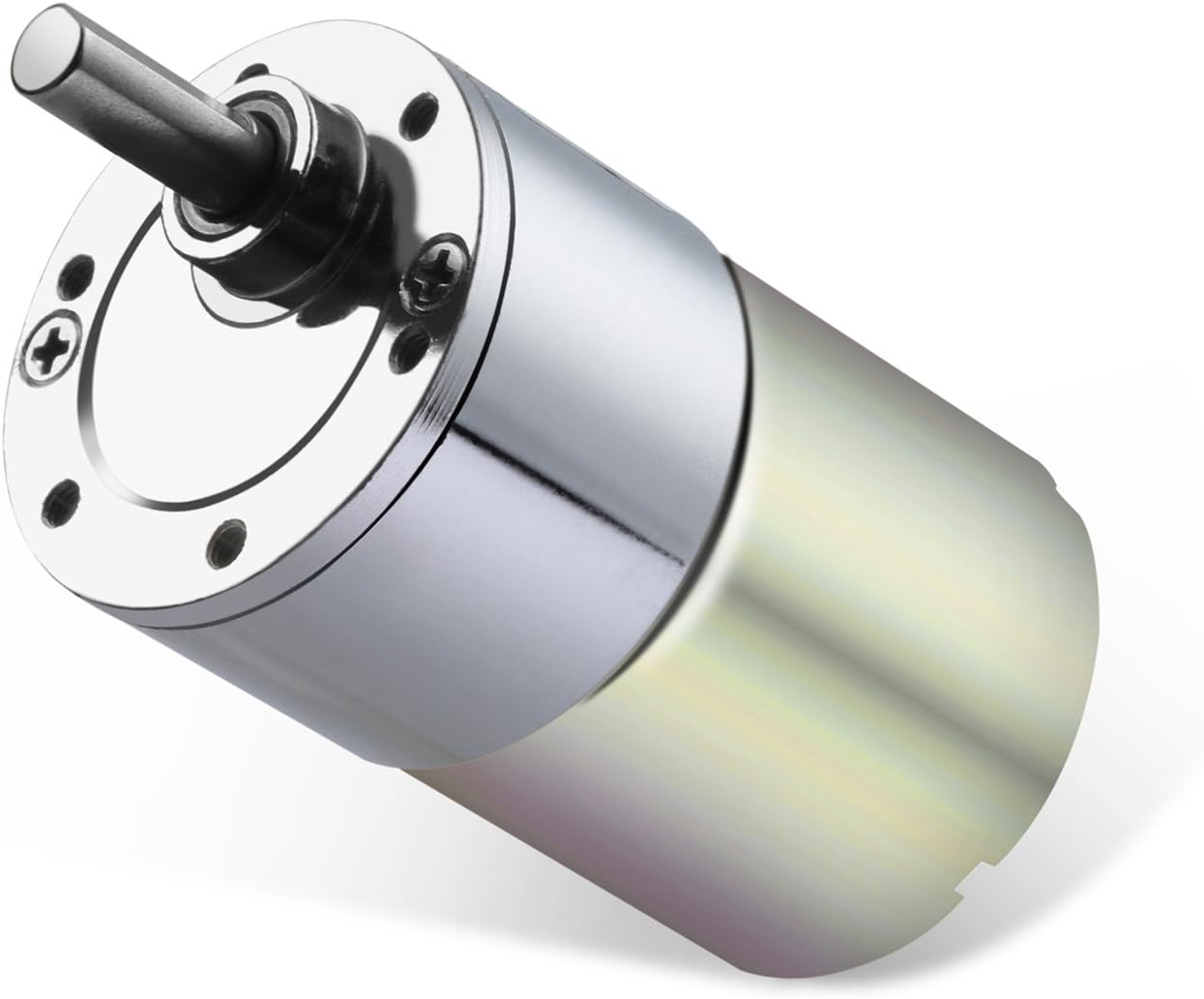
What role does commutation play in the operation of a DC motor?
In the operation of a DC (Direct Current) motor, commutation plays a crucial role in ensuring the continuous rotation of the motor and the conversion of electrical energy into mechanical motion. It is the process by which the direction of the current in the armature winding is periodically reversed to maintain a constant torque and facilitate the rotation of the motor. Here’s a detailed explanation of the role of commutation in the operation of a DC motor:
Commutation is necessary in a DC motor because the magnetic field generated by the armature winding needs to be constantly aligned with the stator’s magnetic field for efficient torque production. The stator of a DC motor typically consists of permanent magnets or electromagnets that create a fixed magnetic field. The armature winding, located on the rotor, produces a magnetic field that interacts with the stator’s field to generate torque.
The commutation process is achieved through the use of a commutator and brushes. The commutator is a cylindrical ring with multiple segments, while the brushes are conductive contacts that make physical contact with the commutator segments. The armature winding is connected to the commutator, and as the rotor spins, the brushes maintain contact with different segments.
As the rotor rotates, the commutator and brushes ensure that the direction of the current in the armature winding is reversed at specific intervals. This reversal of current flow is necessary to maintain a consistent torque in the same rotational direction. Without commutation, the torque generated by the motor would fluctuate in both magnitude and direction, leading to instability and erratic motor behavior.
The commutation process involves two stages: mechanical commutation and electrical commutation.
1. Mechanical Commutation: As the rotor rotates, the brushes make contact with different segments of the commutator. The segments are insulated from each other to prevent short circuits. When the brushes move from one segment to another, the current flowing through the armature winding is switched to a different coil or set of coils. This mechanical switching ensures that the magnetic fields produced by the winding are properly aligned with the stator’s field, resulting in continuous torque production.
2. Electrical Commutation: The reversal of current in the armature winding is achieved through electrical commutation. When the brushes make contact with a new commutator segment, the current flow in the winding is redirected to maintain the desired torque direction. The timing and sequence of the current reversal are critical to ensure smooth and efficient motor operation.
The commutation process in a DC motor is a dynamic and continuous operation. It allows for the conversion of electrical energy into mechanical motion by providing a consistent torque output. The efficiency and performance of the motor are greatly influenced by the quality and effectiveness of the commutation process.
In summary, commutation plays a vital role in the operation of a DC motor by ensuring the continuous rotation of the motor and the production of consistent torque. It involves the mechanical and electrical switching of the current direction in the armature winding, facilitated by the commutator and brushes.
What are the environmental implications of using DC motors, particularly in green technologies?
DC (Direct Current) motors offer several environmental benefits when used in green technologies. Their characteristics and operational advantages contribute to reducing environmental impact compared to other motor types. Here’s a detailed explanation of the environmental implications of using DC motors, particularly in green technologies:
1. Energy Efficiency:
DC motors are known for their high energy efficiency. Compared to AC (Alternating Current) motors, DC motors generally have lower energy losses and can convert a larger proportion of electrical input power into mechanical output power. This increased efficiency results in reduced energy consumption, leading to lower greenhouse gas emissions and decreased reliance on fossil fuels for electricity generation.
2. Renewable Energy Integration:
DC motors are well-suited for integration with renewable energy sources. Many green technologies, such as solar photovoltaic systems and wind turbines, produce DC power. By utilizing DC motors directly in these systems, the need for power conversion from DC to AC can be minimized, reducing energy losses associated with conversion processes. This integration improves the overall system efficiency and contributes to a more sustainable energy infrastructure.
3. Battery-Powered Applications:
DC motors are commonly used in battery-powered applications, such as electric vehicles and portable devices. The efficiency of DC motors ensures optimal utilization of the limited energy stored in batteries, resulting in extended battery life and reduced energy waste. By utilizing DC motors in these applications, the environmental impact of fossil fuel consumption for transportation and energy storage is reduced.
4. Reduced Emissions:
DC motors, especially brushless DC motors, produce fewer emissions compared to internal combustion engines or motors that rely on fossil fuels. By using DC motors in green technologies, such as electric vehicles or electrically powered equipment, the emission of greenhouse gases and air pollutants associated with traditional combustion engines is significantly reduced. This contributes to improved air quality and a reduction in overall carbon footprint.
5. Noise Reduction:
DC motors generally operate with lower noise levels compared to some other motor types. The absence of brushes in brushless DC motors and the smoother operation of DC motor designs contribute to reduced noise emissions. This is particularly beneficial in green technologies like electric vehicles or renewable energy systems, where quieter operation enhances user comfort and minimizes noise pollution in residential or urban areas.
6. Recycling and End-of-Life Considerations:
DC motors, like many electrical devices, can be recycled at the end of their operational life. The materials used in DC motors, such as copper, aluminum, and various magnets, can be recovered and reused, reducing the demand for new raw materials and minimizing waste. Proper recycling and disposal practices ensure that the environmental impact of DC motors is further mitigated.
The use of DC motors in green technologies offers several environmental benefits, including increased energy efficiency, integration with renewable energy sources, reduced emissions, noise reduction, and the potential for recycling and end-of-life considerations. These characteristics make DC motors a favorable choice for sustainable and environmentally conscious applications, contributing to the transition to a greener and more sustainable future.


editor by CX 2023-12-06