
Product Description
Product Overview
Introduction of hydraulic motor
The hydraulic motor is an executive component of the hydraulic system, which converts the liquid pressure energy provided by thehydraulic pump into the mechanical energy (torque and speed) of its output shaft. Liquid is the medium of transmitting force andmotion.
Radial piston hydraulic motor
The working principle of the radial piston type hydraulic motor is that when the pressure oil enters the bottom of the piston in the cylinder body through the window of the fixed oil distribution shaft 4, the piston extends outwards and firmly presses against the inner wall of the stator, because there is an eccentric distance between the stator and the cylinder block.
At the contact point between the plunger and the stator, the reaction force between the stator and the plunger is. The force can be decomposed into 2 components.
When the oil pressure acting on the bottom of the plunger is p, the diameter of the plunger is D, and the angle between the force and is x, the force produces a torque on the cylinder block and makes the cylinder block rotate. The cylinder block then outputs the torque and speed through the transmission shaft connected with the end face.
technical parameter
|
technical parameter
|
|||||||
|
Displacement(ml/r)
|
245
|
310
|
390
|
490
|
625
|
800
|
|
|
Flow(LPM)
|
Continuous
|
80
|
80
|
80
|
80
|
80
|
80
|
|
Intermittent
|
100
|
100
|
100
|
100
|
100
|
100
|
|
|
Speed(RPM)
|
Continuous
|
320
|
250
|
200
|
200
|
160
|
120
|
|
Intermittent
|
350
|
280
|
230
|
200
|
160
|
120
|
|
|
Pressure(Mps)
|
Continuous
|
14
|
14
|
14
|
14
|
12.5
|
10
|
|
Intermittent
|
15
|
15
|
15
|
15
|
13
|
12
|
|
|
Torque(N*m)
|
Continuous
|
400
|
500
|
550
|
680
|
780
|
800
|
|
Intermittent
|
420
|
520
|
580
|
700
|
800
|
820
|
|
Applicable models
Company profile
1.One set/Plastic box/Cardboard CTN
2.Safety for long-distance transportation
3.All of the productions will be checked carefully before delivery
Pre-sales Service
1. Inquiry and consulting support
2. Sample testing support
3. Recommend the most suitable machine according to customer’s purpose
4. Factory visiting welcomed
After-sales Service
1. Training how to install the machine
2. Training how to use the machine
3. Warranty 1 year
4. Engineers available to service machinery oversea
FAQ
Q1.Are you a factory or a trading company?What can you provide?
We are a factory locates in industrial belt of HangZhou City,our main products are hydraulic orbit motors,hydraulic winches,hydraulic
steel hole punchers,mini excavators,etc.
Q2.I want to buy your product,how can I pay?
We support T/T,Paypal,Western Union,also you can pay by credit card.
Q3.How about the warranty?
We promise to supply high quality products and professional after-sales service.We can supply technical support as long as youneed,beyond that,we also offer 6 months of warranty.
Q4.If we don’t find what we want on your website,what should we do?
You can start a conversation to us,or send us email about the descriptions and pictures of the products you need,we will check ifwe can supply and reply your inquiry ASAP.
Q5.Could we buy 1pcs of the item for quality testing?
Yes of course,we understand quality test is important and we are glad to send 1 set for quality testing.
| Certification: | ISO9001 |
|---|---|
| Excitation Mode: | Excited |
| Power Rating: | 1500W |
| Casing Protection: | Protection Type |
| Number of Poles: | 6 |
| Speed: | Low Speed |
| Samples: |
US$ 140/Piece
1 Piece(Min.Order) | |
|---|
| Customization: |
Available
| Customized Request |
|---|
How to Maximize Gear Motor Reliability
A gearmotor is a mechanical device used to transmit torque from one location to another. As its name implies, it is designed to rotate one object relative to another. Its main use is to transmit torque from one point to another. The most common types of gear motors are: worm, spur, and helical. Each of these has specific functions and can be used for a variety of applications. Reliability is also an important factor to consider when choosing a gearmotor.
Applications of a gear motor
Despite its small size, a gear motor has many applications. These include heavy machinery lifts, hospital beds, and power recliners. It is also found in many everyday products, such as electromechanical clocks and cake mixers. Its versatility allows it to produce a high force from a small electric motor. Here are some of its most common uses. You can also find a gear motor in many household appliances and vehicles.
Before selecting a gearmotor, consider the specifications of the machine you need to power. You should consider its size, weight, and ambient conditions, which include temperature regimes, noise levels, and contaminating sources. You should also take into account the envelope size, mounting method, and orientation. Other considerations include the expected service life, maintenance scope, and control type. The most suitable gearmotor for your specific application will be one that can handle the load.
The motor and gearbox types can be mixed and matched, depending on the application. A three-phase asynchronous motor and a permanent magnet synchronous servomotor are common choices for these devices. The type of motor and gearbox combination you choose will determine the power supply, the efficiency of the motor, and cost. Once you understand the application, it will be easy to integrate a gear motor into your system.
When used in industrial applications, gear motors are effective for reducing the speed of rotating shafts. One third of all industrial electric motor systems use gearing to reduce output speed. They can also save energy, which benefits the workers who operate them. In fact, industrial electric motor systems are responsible for nearly one-tenth of the carbon dioxide emissions that are produced by fossil-fueled power plants. Fortunately, efficiency and reliability are just two of the benefits of using gear motors.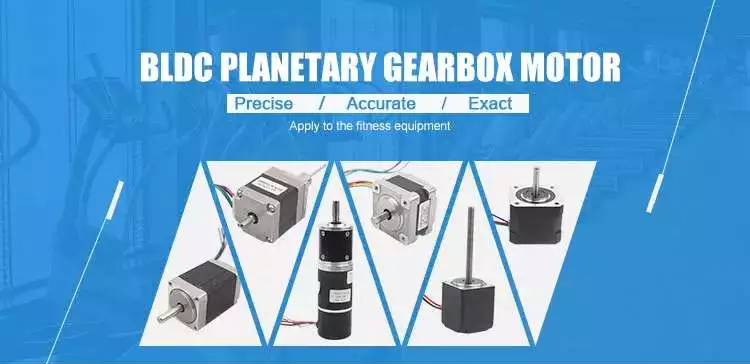
Types
Before choosing a gearmotor, it is important to understand its specifications. The key factors to consider are the size, weight, and noise level of the gearmotor. Additionally, the power, torque, and speed of the motor are important factors. Specifications are also important for its operating environment, such as the temperature and the level of ingress protection. Finally, it is important to determine its duty cycle to ensure it will operate properly. To choose a suitable gearmotor, consult the specifications of your application.
Some common applications of gearmotors include packaging equipment, conveyors, and material handling applications. They also come with several advantages, including their ability to control both position and speed. This makes them ideal for applications where speed and positioning are crucial. Parallel-shaft gear units, for instance, are commonly used in conveyors, material handling, and steel mills. They are also able to operate in high-precision manufacturing. For these reasons, they are the most popular type of gearmotor.
There are three common types of gears. Helical gears have teeth that are inclined at 90 degrees to the axis of rotation, making them more efficient. Helicoidal gears, meanwhile, have a lower noise level and are therefore preferred for applications requiring high torque. Worm gears are preferred for applications where torque and speed reduction are important, and worm gears are suited for those conditions. They also have advantages over spur gears and worm gears.
The application of a gear motor is almost limitless. From heavy machine lifts to hospital bed lifting mechanisms, gear motors make it possible to use a small rotor at a high speed. Their lightweight construction also allows them to move heavy loads, such as cranes, but they do so slowly. Gear motors are an excellent choice in applications where space is an issue. A few common applications are discussed below. When choosing a gear motor, remember to choose the best size and application for your needs.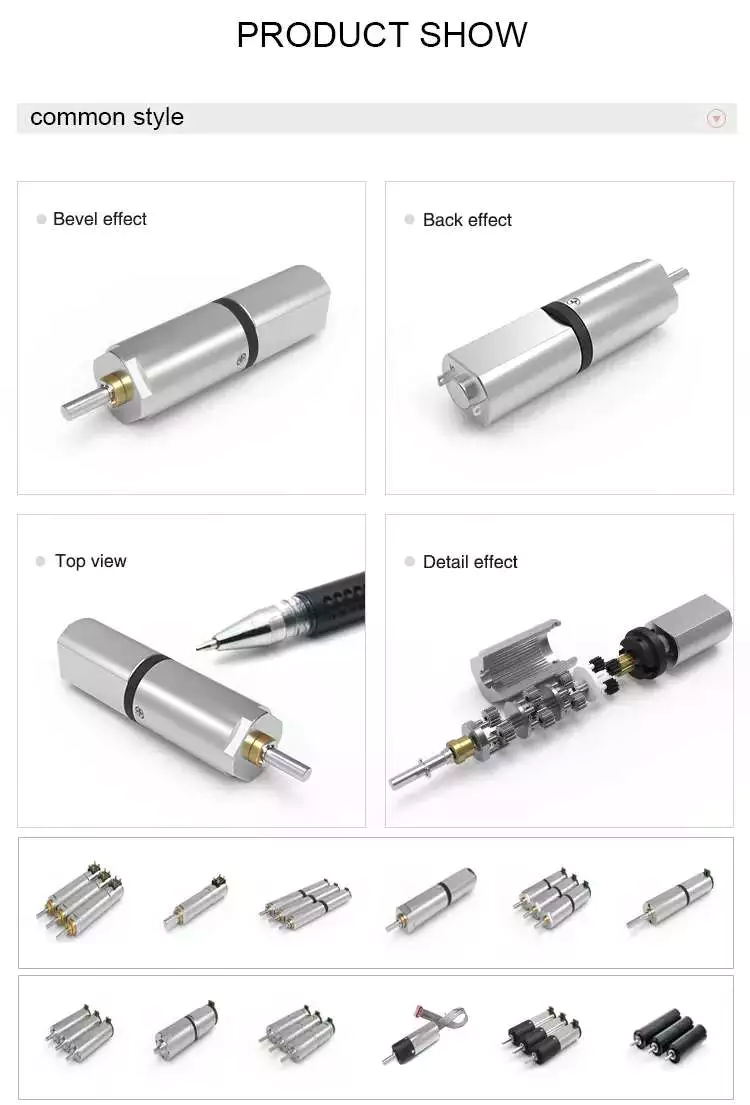
Functions
A gearmotor’s speed is directly proportional to the gear ratio. By dividing the input speed by the gear ratio, the output speed can be determined. Gear ratios above one reduce speed, while gear ratios below one increase speed. Efficiency of a gearmotor is defined as its ability to transfer energy through its gearbox. This efficiency factor takes into account losses from friction and slippage. Most gearmotor manufacturers will provide this curve upon request.
There are several factors that must be considered when choosing a gearmotor. First, the application must meet the desired speed and torque. Second, the output shaft must rotate in the desired direction. Third, the load must be properly matched to the gearmotor. Lastly, the operating environment must be considered, including the ambient temperature and the level of protection. These details will help you find the perfect gearmotor. You can compare various types of gear motors on this page and choose the one that will meet your needs.
The micro-DC gear motor is one of the most versatile types of geared motors. These motors are widely used in intelligent automobiles, robotics, logistics, and the smart city. Other applications include precision instruments, personal care tools, and cameras. They are also commonly found in high-end automotives and are used in smart cities. They also find use in many fields including outdoor adventure equipment, photography equipment, and electronics. The benefits of micro-DC gear motors are many.
The main function of a gear motor is to reduce the speed of a rotating shaft. Small electric clocks, for example, use a synchronous motor with a 1,200-rpm output speed to drive the hour, minute, and second hands. While the motor is small, the force it exerts is enormous, so it’s crucial to ensure that the motor isn’t over-powered. There is a high ratio between the input torque and the output torque.
Reliability
The reliability of a gear motor is dependent on a number of factors, including material quality, machining accuracy, and operating conditions. Gear failure is often more serious than surface fatigue, and can compromise personal safety. Reliability is also affected by the conditions of installation, assembly, and usage. The following sections provide an overview of some important factors that impact gear motor reliability. This article provides some tips to maximize gear motor reliability.
First and foremost, make sure you’re buying from a reliable supplier. Gear motors are expensive, and there is no standardization of the sizes. If a gear breaks, replacing it can take a lot of time. In the long run, reliability wins over anything. But this doesn’t mean that you can ignore the importance of gears – the quality of a gear motor is more important than how long it lasts.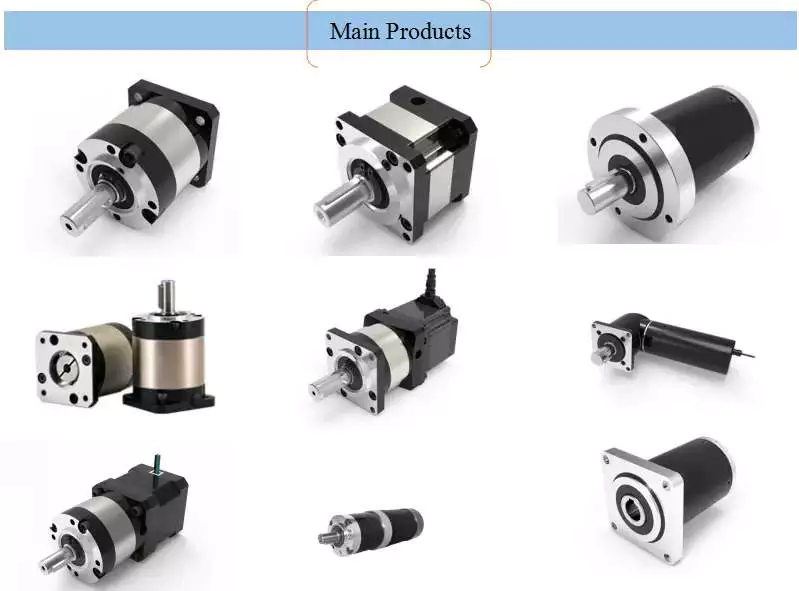
Cost
The cost of a gear motor is relatively low compared to that of other forms of electric motors. This type of motor is commonly used in money counters, printers, smart homes, and automation equipment. A DC gear motor is also commonly used in automatic window machines, glass curtain walls, and banknote vending machines. There are many advantages to using a gear motor. Here are a few of them. Read on to learn more about them.
Speed management is another benefit of a gear motor. The motors tend to have less wear and tear than other motors, which means less frequent replacements. Additionally, many gear motors are easy to install and require less maintenance, which also helps reduce the overall cost of ownership. Lastly, because noise is a common concern for many electronic OEMs, DC gear motors are often quieter than their counterparts. For these reasons, they are often used in industrial settings.
Another advantage of an electric gear motor is its size and power. They are typically designed for 12V, 24V, and 48V voltages and 200-watt power. Their rated speed is 3000 rpm and their torque is 0.64 Nm. They are also more reliable than their AC counterparts and are ideal for many industrial applications. They have a high ratio of three to two, which makes them ideal for a variety of applications.
A gear motor is an electric motor that is coupled with a gear train. It uses AC or DC power, and is often called a gear reducer. The main purpose of these gear reducers is to multiply torque, while maintaining compact size and overall efficiency. However, the efficiency of a gear motor is also affected by ambient temperature and lubricants. If the gear motor is installed in the wrong location, it may be ineffective and result in premature failure of the machine.


editor by CX
2023-04-17