
Product Description
High-speed doors servo control system
Brushless DC 600KG Roll up/ Rolling Door Motor
Features
- Intelligent human-computer interaction interface, LCD display, built-in Chinese and English
- Convenient wiring and simple operation
- Built-in brake released battery,the brake can be quickly released with 1 button when power off
- Low noise, stable operation and high efficiency
- High-quality IPM intelligent module, with strong performance and full protection function
- Record running time and number of times, lock and maintenance time can be set
- Real-time monitor external signals and system alarm functions
- Input and output ports can be edited to set multiple functions
- The product is suitable for all kinds of PVC high-speed doors,PVC high-speed Fold-up doors and spiral doors.
Technical Parameter
| Model | FD300 | ||
| Rated Power | 0.75kw | 1.5kw | 2.5kw |
| Brake Release Battery | None | Built-in | |
| Input Voltage | 1P,AC220V±15%/50~60Hz | ||
| Limit Control | Ab olute Encoder,Mechanical Limit | ||
| Overload Capacity | 300% Rated 10s,150% Rated 60s | ||
| Output Power | DC24V/1A | ||
| Temperature | -20ºC ~ 50ºC | ||
| Dimension | 360×23 ×100mm | ||
| Weight | 5.2kg | ||
Brief description of common parameters
Low power silent high-speed servo motor
Features
- High speed, rated speed 3000 rpm, maximum 5000 rpm
- Aviation aluminum shell, exquisite appearance and good heat dissipati n
- Built-in absolute encoder, easy to install
- Constant high torque output, up to 300 overload capacity
- Applicable to a wide range of environments, -40ºC~70ºC
- No mechanical brake, quiet and stable
- Advanced short-circuit electromagnetic brake, self-locking after power off
| Size Type |
A | B | C | D | E | F | Weight (kg) | |
| 0.75kw | RV050 | 120 | 145 | 90 | 300 | 150 | 30 | 7.7 |
| 0.75kw | RV063 | 145 | 175 | 110 | 325 | 150 | 30 | 9.9 |
| 1.1kw | RV050 | 120 | 145 | 90 | 330 | 180 | 30 | 8.6 |
| 1.1kw | RV063 | 145 | 175 | 110 | 355 | 180 | 30 | 10.8 |
| Model | FDHDM22150 | |
| Rated Power | 0.75kw | 1.1kw |
| Insulation Gr de | F | |
| IP | IP65 | |
| Encoder | bsolute Encoder Built-in | |
| Brake | none mechanical brake | |
| Output Rotating Speed | 3000RPM | |
| Output Torque | 2.39N.m | 3.5N.m |
| Reduction Gear | 050(063 Optional)Standard 1:30 | |
High-power high-speed servo motor
Features
- High speed, rated speed 2500 rpm, maximum 4000 rpm
- Aviation aluminum shell, exquisite appearance and good heat dissipation
- Built-in absolute encoder, easy to install
- Constant high torque output, up to 300 overload capacity
- Applicable to a wide range of environments, -40ºC~70ºC
- DC 24V mechanical brake, easily released by 1 key of the controller when power off
| Size Type | A | B | C | D | E | F | Weight (kg) | |
| 1.5kw | RV063 | 144 | 200 | 103 | 403 | 236 | 30 | 16.2 |
| 2.0kw | RV063 | 144 | 200 | 103 | 410 | 249 | 30 | 17.5 |
| 2.5kw | RV063 | 144 | 200 | 103 | 452 | 252 | 30 | 18.5 |
| Model | FDHDM22220 | ||
| Rated Power | 1.5kw | 2kw | 2.5kw |
| Insulation Gr de | F | ||
| IP | IP65 | ||
| Encoder | Absolute Encoder B ilt-in | ||
| Brake | DC24 Brake | ||
| Output Rotating Speed | 2500RPM | ||
| Output Torque | 6N.m | 8N.m | 10N.m |
| Reduction Gear | 063(075 Optional)Standard 1:25 | ||
| Reduction Gear | D | b | M | N | KE | C | E | L |
| RV50 | 25 | 8 | 85 | 70 | M8×10 | 120 | 144 | 85 |
| RV63 | 25 | 8 | 95 | 80 | M8×14 | 144 | 174 | 103 |
| RV75 | 28 | 8 | 115 | 95 | M8×14 | 174 | 205 | 113 |
| RV90 | 28 | 10 | 130 | 110 | M10×10 | 208 | 238 | 130 |
High-speed tubular servo motor
90/130 Planetary gear servo motor
/* January 22, 2571 19:08:37 */!function(){function s(e,r){var a,o={};try{e&&e.split(“,”).forEach(function(e,t){e&&(a=e.match(/(.*?):(.*)$/))&&1
| Structure: | Straight Arm |
|---|---|
| Driving Type: | Electromechanical |
| Electric Current Type: | AC |
| Brand: | Everbright |
| Output Power: | DC24V / 1A |
| Input Voltage: | 1p,AC220V±15%/50~60Hz |
| Samples: |
US$ 300/Piece
1 Piece(Min.Order) | |
|---|
| Customization: |
Available
|
|
|---|
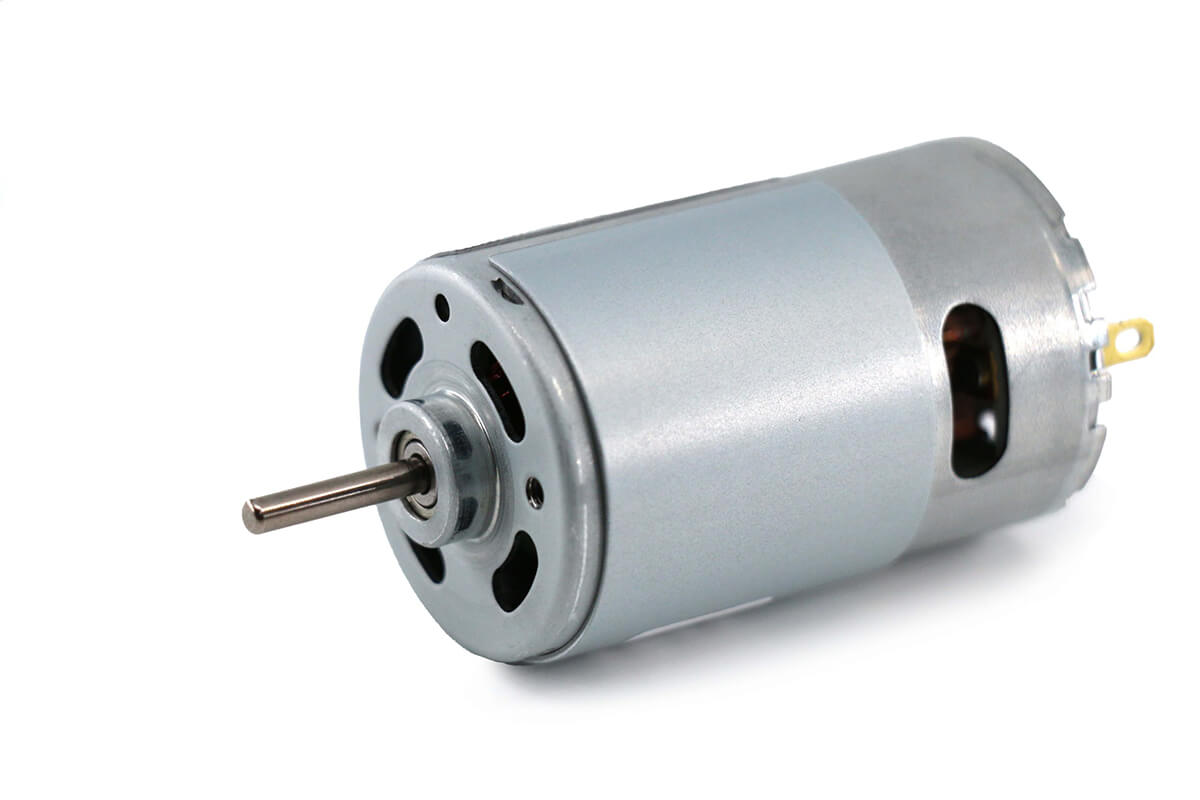
What is a DC motor, and how does it differ from other types of electric motors?
A DC (Direct Current) motor is an electric motor that converts electrical energy into mechanical motion. It operates based on the principle of electromagnetic induction and the interaction between current-carrying conductors and magnetic fields. DC motors are widely used in various applications due to their simplicity, controllability, and versatility. Here’s a detailed explanation of what a DC motor is and how it differs from other types of electric motors:
1. Basic Operation:
In a DC motor, electrical energy is supplied to the motor’s armature through a DC power source, typically a battery or a rectified power supply. The armature consists of multiple coils or windings that are evenly spaced around the motor’s rotor. The rotor is a cylindrical core with a shaft that rotates when the motor is energized. When current flows through the armature windings, it creates a magnetic field that interacts with the fixed magnetic field produced by the motor’s stator. This interaction generates a torque, causing the rotor to rotate.
2. Commutation:
DC motors employ a commutator and brushes for the conversion of electrical energy and the rotation of the rotor. The commutator consists of a segmented cylindrical ring attached to the rotor shaft, and the brushes are stationary conductive contacts that make contact with the commutator segments. As the rotor spins, the brushes maintain contact with the commutator segments, periodically reversing the direction of the current flow in the armature windings. This reversal of current flow in the armature windings ensures continuous rotation of the rotor in the same direction.
3. Types of DC Motors:
DC motors can be classified into different types based on their construction and the method of field excitation. The two main types are:
- Brushed DC Motors: Brushed DC motors have a mechanical commutator and brushes to switch the current direction in the armature windings. These motors are relatively simple, cost-effective, and offer good torque characteristics. However, the commutator and brushes require regular maintenance and can generate electrical noise and brush wear debris.
- Brushless DC Motors (BLDC): Brushless DC motors, also known as electronically commutated motors (ECMs), use electronic circuits and sensors to control the current flow in the motor windings. They eliminate the need for brushes and commutators, resulting in reduced maintenance and improved reliability. BLDC motors offer higher efficiency, smoother operation, and better speed control compared to brushed DC motors.
4. Speed Control:
DC motors provide excellent speed control capabilities. By adjusting the voltage applied to the motor, the speed of the DC motor can be regulated. Lowering the voltage reduces the motor’s speed, while increasing the voltage increases the speed. This feature makes DC motors suitable for applications that require precise speed control, such as robotics, conveyor systems, and electric vehicles.
5. Advantages and Disadvantages:
DC motors have several advantages, including:
- Simple construction and easy maintenance (for brushed DC motors).
- High starting torque.
- Precise speed control.
- Good controllability over a wide range of loads.
However, DC motors also have some limitations, such as:
- Brushed DC motors require periodic maintenance and have limited brush life.
- Brushed DC motors can generate electrical noise.
- Brushless DC motors are often more expensive compared to brushed DC motors.
6. Differences from Other Electric Motors:
DC motors differ from other types of electric motors, such as AC (Alternating Current) motors, in several ways:
- Power Source: DC motors require a DC power source, while AC motors operate from an AC power supply.
- Speed Control: DC motors offer precise speed control by adjusting the applied voltage, whereas AC motors typically rely on frequency control for speed regulation.
- Construction: DC motors use a commutator and brushes (in brushed DC motors) or electronic commutation (in brushless DC motors), while AC motors do not require commutation.
- Starting Torque: DC motors typically provide higher starting torque compared to AC motors.
Overall, DC motors are versatile and widely used in various applications due to their controllability, speed regulation capabilities, and simplicity. The advancements inpower electronics and motor control technologies have further enhanced the performance and efficiency of DC motors, making them a popular choice in many industries.
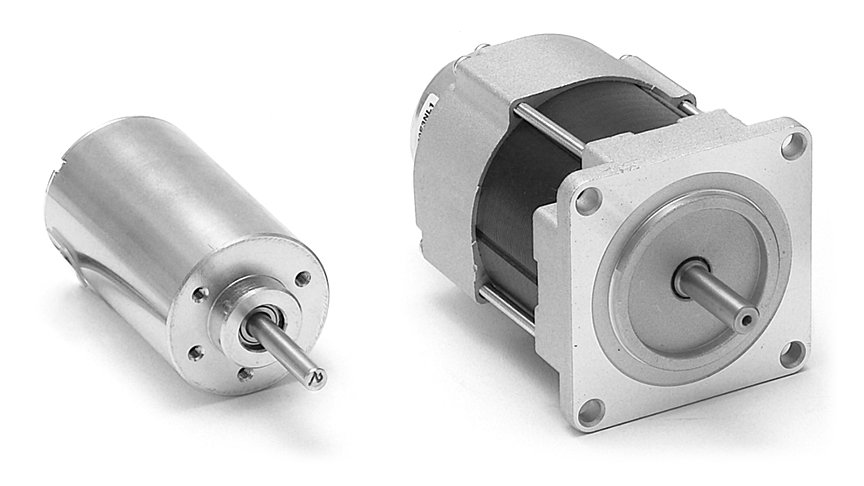
Are there specific types of DC motors designed for different industries or applications?
Yes, there are specific types of DC (Direct Current) motors that are designed and optimized for various industries and applications. DC motors offer a wide range of performance characteristics, allowing them to be tailored to specific requirements. Here’s a detailed explanation of the types of DC motors designed for different industries or applications:
1. Brushed DC Motors:
Brushed DC motors are commonly used in applications that require simple and cost-effective motor solutions. They are suitable for applications with lower efficiency requirements and where maintenance considerations are manageable. Some common industries and applications that use brushed DC motors include:
- Automotive: Power window mechanisms, windshield wipers, cooling fans, and seat adjustment systems.
- Consumer Electronics: Household appliances, toys, power tools, and personal care devices.
- Industrial Machinery: Conveyors, pumps, fans, and machine tools.
2. Brushless DC Motors:
Brushless DC motors are known for their higher efficiency, greater reliability, and precise control capabilities. They are widely used in industries and applications that demand higher performance and advanced control features. Some specific industries and applications that utilize brushless DC motors include:
- Automotive: Electric power steering systems, electric vehicles, hybrid vehicles, and HVAC systems.
- Aerospace and Defense: Actuators, robotics, unmanned aerial vehicles (UAVs), and missile systems.
- Medical and Laboratory Equipment: Centrifuges, pumps, robotics, and diagnostic devices.
- Industrial Automation: CNC machines, robotics, automated guided vehicles (AGVs), and precision motion control systems.
- Renewable Energy: Wind turbine generators, solar tracking systems, and energy storage systems.
3. High-Torque DC Motors:
High-torque DC motors are designed to provide substantial torque output at low speeds. They are commonly used in applications that require heavy lifting or high starting torque. Industries and applications that often utilize high-torque DC motors include:
- Material Handling: Cranes, hoists, winches, lifts, and elevators.
- Construction and Mining: Excavators, bulldozers, drilling rigs, and conveyor systems.
- Automotive: Electric vehicles, electric powertrains, and traction control systems.
- Marine and Shipbuilding: Thrusters, winches, and anchor handling systems.
4. Low-Voltage DC Motors:
Low-voltage DC motors are designed to operate at lower voltages, typically below 24 volts. They are commonly used in battery-powered applications and systems where safety or specific voltage requirements exist. Some industries and applications that utilize low-voltage DC motors include:
- Automotive: Automotive accessories, window actuators, and door locks.
- Robotics and Hobbyist Projects: DIY robots, RC vehicles, and model trains.
- Solar Power Systems: Solar tracking systems, solar panel actuators, and solar-powered water pumps.
- Home Automation: Automated blinds, curtains, and smart home devices.
These are just a few examples of the types of DC motors designed for different industries and applications. The versatility and adaptability of DC motors make them suitable for a wide range of uses, and manufacturers often offer customized motor solutions to meet specific requirements.
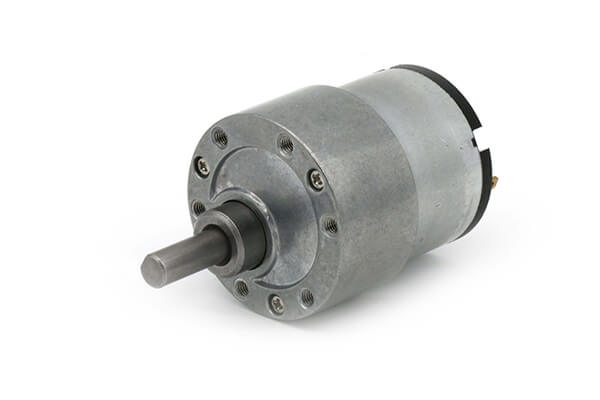
Where can individuals find reliable resources for learning more about DC motors and their applications?
Individuals seeking reliable resources to learn more about DC (Direct Current) motors and their applications can explore various sources that provide comprehensive and accurate information. Here’s a detailed explanation of where individuals can find reliable resources for learning about DC motors:
1. Manufacturer Websites:
Many DC motor manufacturers have dedicated sections on their websites that provide detailed information about their products, including specifications, application notes, technical guides, and whitepapers. These resources offer valuable insights into the design, operation, and application considerations of DC motors. Examples of reputable DC motor manufacturers include Baldor, Maxon Motor, and Faulhaber.
2. Industry Associations and Organizations:
Industry associations and organizations related to electrical engineering, automation, and motor technology can be excellent sources of reliable information. Examples include the Institute of Electrical and Electronics Engineers (IEEE) and the American Society of Mechanical Engineers (ASME). These associations often provide access to technical publications, research papers, conferences, and educational resources related to DC motors and their applications.
3. Technical Books and Publications:
Technical books and publications authored by experts in the field of electrical engineering and motor technology can provide in-depth knowledge about DC motors. Books such as “Electric Motors and Drives: Fundamentals, Types, and Applications” by Austin Hughes and “Practical Electric Motor Handbook” by Irving Gottlieb are widely regarded as reliable resources for learning about DC motors and their applications.
4. Online Educational Platforms:
Online educational platforms offer a wealth of resources for learning about DC motors. Websites like Coursera, Udemy, and Khan Academy provide online courses, tutorials, and video lectures on electrical engineering, motor theory, and applications. These platforms often have courses specifically dedicated to DC motors, covering topics such as motor principles, control techniques, and practical applications.
5. Research Papers and Scientific Journals:
Research papers published in scientific journals and conference proceedings can provide detailed insights into the latest advancements and research findings related to DC motors. Platforms like IEEE Xplore, ScienceDirect, and Google Scholar can be used to search for scholarly articles on DC motors. These papers are authored by researchers and experts in the field and provide reliable and up-to-date information on various aspects of DC motor technology.
6. Online Forums and Communities:
Online forums and communities focused on electrical engineering, motor technology, and DIY projects can be valuable resources for learning about DC motors. Platforms like Reddit, Stack Exchange (Electrical Engineering section), and specialized motor forums provide opportunities to ask questions, engage in discussions, and learn from experienced individuals in the field. However, it’s important to verify information obtained from online forums as they may contain a mix of opinions and varying levels of expertise.
When accessing these resources, it’s essential to critically evaluate the information and cross-reference it with multiple sources to ensure accuracy and reliability. By utilizing a combination of manufacturer websites, industry associations, technical books, online educational platforms, research papers, and online communities, individuals can gain a comprehensive understanding of DC motors and their applications.


editor by CX 2024-04-12