
Product Description
Product Description
Motor power:2000w
Motor voltage:48v
Rated current:12A
Rated speed:3700-4200rpm
Rated torque:25N.m
Max torque:75N.m
Maximum load:1200kg
Maximum speed:45-55km/h
Eff:94%
Controller description
Maximum limit:150A
under voltage:42.5±0.5V
brake handle voltage: 1.2-4.3V
Climbing degree:10-25 degree
Point for CHINAMFG INDEPENDENT SUSPENSION POWER TRAIN
The independent suspension structure makes vehicles more comfortable and safe in different road conditions.
High efficiency, efficiency reached 94%, increase vehicle HangZhouage.
Low voice, more comfortable for customers perfect experience
Soft start, 6 – phase permanent magnet synchronous motor torque than ordinary motor increased by 30%
Three-speed regulation function: SPORT MODE, NORMAL MODE, ECO MODE
Actual road load test:
Full load weight:900kg (7+1people)
No load speed:50-55km/h
Full load speed:45-50km/h
Full load climbing ability:7-20°
Full load climbing speed:20-25km/h
Load 1 ton easily climb 30% slope mountain road
Anti slip down protection make the vehicle safe
Downhill can control the constant speed, so that you overload downhill more safe
Regenerative braking function for increase HangZhouage
CAN Communication protocols , more intelligent
Smooth start and more comfortable driving
Variable Motor Data:
| power | voltage | Torque (N.m) |
rated speed (RPM) |
eco mode (RPM) |
normal mode (RPM) |
sport mode (RPM) |
Efficiency |
| 1500W | 48V | 12.3 | 2280 | 1870 | 2280 | 2850 | 95% |
| 60V | 11.1 | 2850 | 2350 | 2850 | 3680 | 95% | |
| 72V | 19.6 | 3450 | 2650 | 3450 | 4220 | 95% | |
| 2000W | 48V | 17.2 | 2000 | 1900 | 2330 | 3100 | 95% |
| 60V | 14.9 | 2650 | 2500 | 2930 | 3800 | 95% | |
| 72V | 30.0 | 2720 | 2930 | 3800 | 4450 | 95% | |
| 2200W | 48V | 14.7 | 2350 | 2000 | 2350 | 2600 | 95% |
| 60V | 13.3 | 3000 | 2600 | 3000 | 3300 | 95% | |
| 72V | 29.8 | 3500 | 3100 | 3500 | 4000 | 95% | |
| 3000W | 48V | 20.9 | 2250 | 1870 | 2250 | 2850 | 94% |
| 60V | 17.8 | 2850 | 2350 | 2850 | 3350 | 95% | |
| 72V | 14.6 | 3400 | 2900 | 3400 | 3900 | 95% | |
| 4000W | 48V | 16.5 | 2300 | 1900 | 2300 | 2600 | 94% |
| 60V | 20.3 | 2800 | 2400 | 2800 | 3300 | 96% | |
| 72V | 19.9 | 3400 | 2800 | 3400 | 4000 | 96% | |
| 5000W | 48V | 19.6 | 2210 | 1780 | 2210 | 2540 | 94% |
| 60V | 22.5 | 2710 | 2280 | 2710 | 3040 | 95% | |
| 72V | 30.2 | 3400 | 2820 | 3400 | 4571 | 95% |
How important the motor is to the E Vehicle?
Motor is the heart of an electric vehicle, motor’s capacity and efficiency is a great deal, an e-rickshaw uses BLDC motor powered with controller that controls the movement of the motor. Choosing the best motor is critical for any electric vehicle, the capacity of the motor should be enough to generate high enough torque to enhance the user experience without wasting too much energy to ensure longer HangZhouage is delivered by the battery.
Why Choose CHINAMFG DC motor
- the newest six-phase permanent magnet synchronous motor in China.It can choose Hall sensor and encoder sensor(high precision position sensor)according for your needs.
- The speed of the vehicle can reach40-55km/h.
- load 1 ton easily climb 30 slope mountain road.
- High efficiency,efficiency reached 94%,increase vehicle HangZhouage.
- Soft start,six-phase permanent magnet synchronous motor torque than ordinary motor increased by 30%.
- Electronic brake assist function,it can effectively reduce brake shoe wear and improve service life
- Start smoothly, Three speed regulation function, speed increased by 8km/h,making the vehicle more comfortable to drive
- Anti slip down protection make the vehicle safe.
- Downhill can control the constant speed so that your vehicle overload downhill more safe
- Regenerative braking function for increase HangZhouage
- CAN communication protocols ,more intelligent
Production Line
Packaging & Shipping
Foam+ carto/wooden case
Company Profile
ZHangZhoug CHINAMFG New Energy Co.,Ltd is a R&D integrated electronic-machinery enterprise , Specializing in the developing and manufacturing high performance BLDC PMSM Motor, Controller and Rear Axle.
Our products are widely used in three/four wheel Electric Vehicles :rickshaw ,cargo ,tricycle. golf cart,tour bus , ev car, e-forklift, e lifting platform etc.
We have advanced technology, full type of models, reliable and safety products. With experienced export and engineer team, we can quickly and professionally provide best products for you.
FAQ
Q:Why choose Datai?
A:We are professional BLDC PMSM motor ,controller ,rear axle manafacturer.We are the top quality and performance products in e-tricycles field, and have rich experience to export, Best products with reasonable price.
Q:Are you trading company or manufacturer?
A: We are factory.
Q: How long is your delivery time?
A: depands on the quantity.We have the product capacity of 800 motor ,600 rear axle ,1000 controller per day !
Q: What is your terms of payment ?
A: 30% Advance payment by T/T after signing the contract.70% before delivery.
/* January 22, 2571 19:08:37 */!function(){function s(e,r){var a,o={};try{e&&e.split(“,”).forEach(function(e,t){e&&(a=e.match(/(.*?):(.*)$/))&&1
| Application: | Universal, Car, Rickshaw |
|---|---|
| Operating Speed: | High Speed |
| Excitation Mode: | Compound |
| Function: | Control, Driving |
| Casing Protection: | Protection Type |
| Structure and Working Principle: | Brushless |
| Samples: |
US$ 350/Set
1 Set(Min.Order) | |
|---|
| Customization: |
Available
|
|
|---|
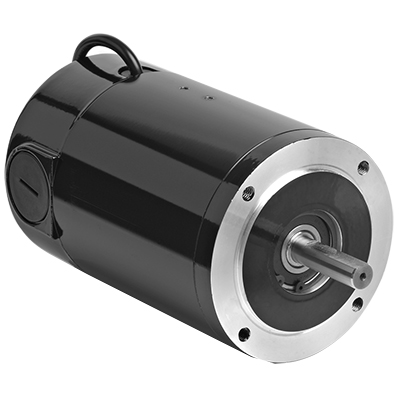
How does the speed control of a DC motor work, and what methods are commonly employed?
The speed control of a DC (Direct Current) motor is essential for achieving precise control over its rotational speed. Various methods can be employed to regulate the speed of a DC motor, depending on the specific application requirements. Here’s a detailed explanation of how speed control of a DC motor works and the commonly employed methods:
1. Voltage Control:
One of the simplest methods to control the speed of a DC motor is by varying the applied voltage. By adjusting the voltage supplied to the motor, the electromotive force (EMF) induced in the armature windings can be controlled. According to the principle of electromagnetic induction, the speed of the motor is inversely proportional to the applied voltage. Therefore, reducing the voltage decreases the speed, while increasing the voltage increases the speed. This method is commonly used in applications where a simple and inexpensive speed control mechanism is required.
2. Armature Resistance Control:
Another method to control the speed of a DC motor is by varying the armature resistance. By inserting an external resistance in series with the armature windings, the total resistance in the circuit increases. This increase in resistance reduces the armature current, thereby reducing the motor’s speed. Conversely, reducing the resistance increases the armature current and the motor’s speed. However, this method results in significant power loss and reduced motor efficiency due to the dissipation of excess energy as heat in the external resistance.
3. Field Flux Control:
Speed control can also be achieved by controlling the magnetic field strength of the motor’s stator. By altering the field flux, the interaction between the armature current and the magnetic field changes, affecting the motor’s speed. This method can be accomplished by adjusting the field current through the field windings using a field rheostat or by employing a separate power supply for the field windings. By increasing or decreasing the field flux, the speed of the motor can be adjusted accordingly. This method offers good speed regulation and efficiency but requires additional control circuitry.
4. Pulse Width Modulation (PWM):
Pulse Width Modulation is a widely used technique for speed control in DC motors. It involves rapidly switching the applied voltage on and off at a high frequency. The duty cycle, which represents the percentage of time the voltage is on, is varied to control the effective voltage applied to the motor. By adjusting the duty cycle, the average voltage across the motor is modified, thereby controlling its speed. PWM provides precise speed control, high efficiency, and low power dissipation. It is commonly employed in applications such as robotics, industrial automation, and electric vehicles.
5. Closed-Loop Control:
In closed-loop control systems, feedback from the motor’s speed or other relevant parameters is used to regulate the speed. Sensors such as encoders or tachometers measure the motor’s actual speed, which is compared to the desired speed. The difference, known as the error signal, is fed into a control algorithm that adjusts the motor’s input voltage or other control parameters to minimize the error and maintain the desired speed. Closed-loop control provides excellent speed regulation and accuracy, making it suitable for applications that require precise speed control, such as robotics and CNC machines.
These methods of speed control provide flexibility and adaptability to various applications, allowing DC motors to be effectively utilized in a wide range of industries and systems.
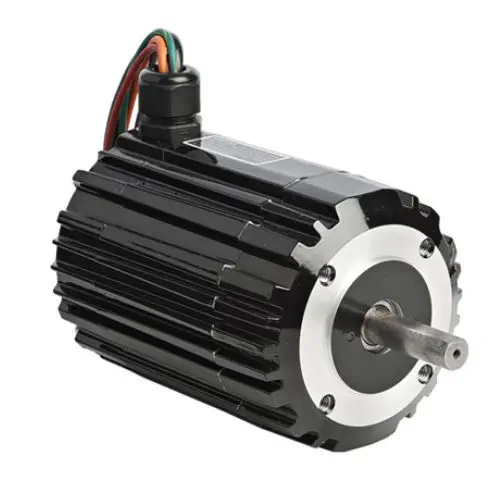
How is the efficiency of a DC motor determined, and what factors can affect it?
In a DC (Direct Current) motor, efficiency refers to the ratio of the motor’s output power (mechanical power) to its input power (electrical power). It is a measure of how effectively the motor converts electrical energy into mechanical work. The efficiency of a DC motor can be determined by considering several factors that affect its performance. Here’s a detailed explanation of how the efficiency of a DC motor is determined and the factors that can influence it:
The efficiency of a DC motor is calculated using the following formula:
Efficiency = (Output Power / Input Power) × 100%
1. Output Power: The output power of a DC motor is the mechanical power produced at the motor’s shaft. It can be calculated using the formula:
Output Power = Torque × Angular Speed
The torque is the rotational force exerted by the motor, and the angular speed is the rate at which the motor rotates. The output power represents the useful work or mechanical energy delivered by the motor.
2. Input Power: The input power of a DC motor is the electrical power supplied to the motor. It can be calculated using the formula:
Input Power = Voltage × Current
The voltage is the electrical potential difference applied to the motor, and the current is the amount of electrical current flowing through the motor. The input power represents the electrical energy consumed by the motor.
Once the output power and input power are determined, the efficiency can be calculated using the formula mentioned earlier.
Several factors can influence the efficiency of a DC motor:
1. Copper Losses:
Copper losses occur due to the resistance of the copper windings in the motor. These losses result in the conversion of electrical energy into heat. Higher resistance or increased current flow leads to greater copper losses and reduces the efficiency of the motor. Using thicker wire for the windings and minimizing resistance can help reduce copper losses.
2. Iron Losses:
Iron losses occur due to magnetic hysteresis and eddy currents in the motor’s iron core. These losses result in the conversion of electrical energy into heat. Using high-quality laminated iron cores and minimizing magnetic flux variations can help reduce iron losses and improve efficiency.
3. Friction and Windage Losses:
Friction and windage losses occur due to mechanical friction between moving parts and air resistance. These losses result in the conversion of mechanical energy into heat. Proper lubrication, efficient bearing systems, and aerodynamically optimized designs can help minimize friction and windage losses.
4. Brush and Commutator Losses:
In brushed DC motors, brush and commutator losses occur due to the friction and electrical resistance at the brush-commutator interface. These losses result in the conversion of electrical energy into heat. Using high-quality brushes and commutators, reducing brush voltage drop, and minimizing the number of commutator segments can help reduce these losses.
5. Magnetic Field Design:
The design of the magnetic field in the motor significantly affects its efficiency. Optimizing the magnetic field for the specific application, such as selecting appropriate magnet materials or designing efficient electromagnets, can improve the motor’s efficiency.
6. Motor Load:
The load on the motor, including the torque and speed requirements, can impact its efficiency. Operating the motor close to its optimal load conditions or utilizing speed control techniques, such as pulse width modulation (PWM), can help improve efficiency by reducing unnecessary power consumption.
7. Motor Size and Construction:
The size and construction of the motor can influence its efficiency. Properly sizing the motor for the intended application and optimizing the design for reduced losses, improved cooling, and efficient heat dissipation can enhance overall efficiency.
It’s important to note that the efficiency of a DC motor is typically highest at or near its rated load conditions. Deviating significantly from the rated load can result in reduced efficiency.
In summary, the efficiency of a DC motor is determined by comparing the output power to the input power. Factors such as copper losses, iron losses, friction and windage losses, brush and commutator losses, magnetic field design, motor load, and motor size and construction can all influence the efficiency of a DC motor. By considering and optimizing these factors, the overall efficiency of the motor can be improved.
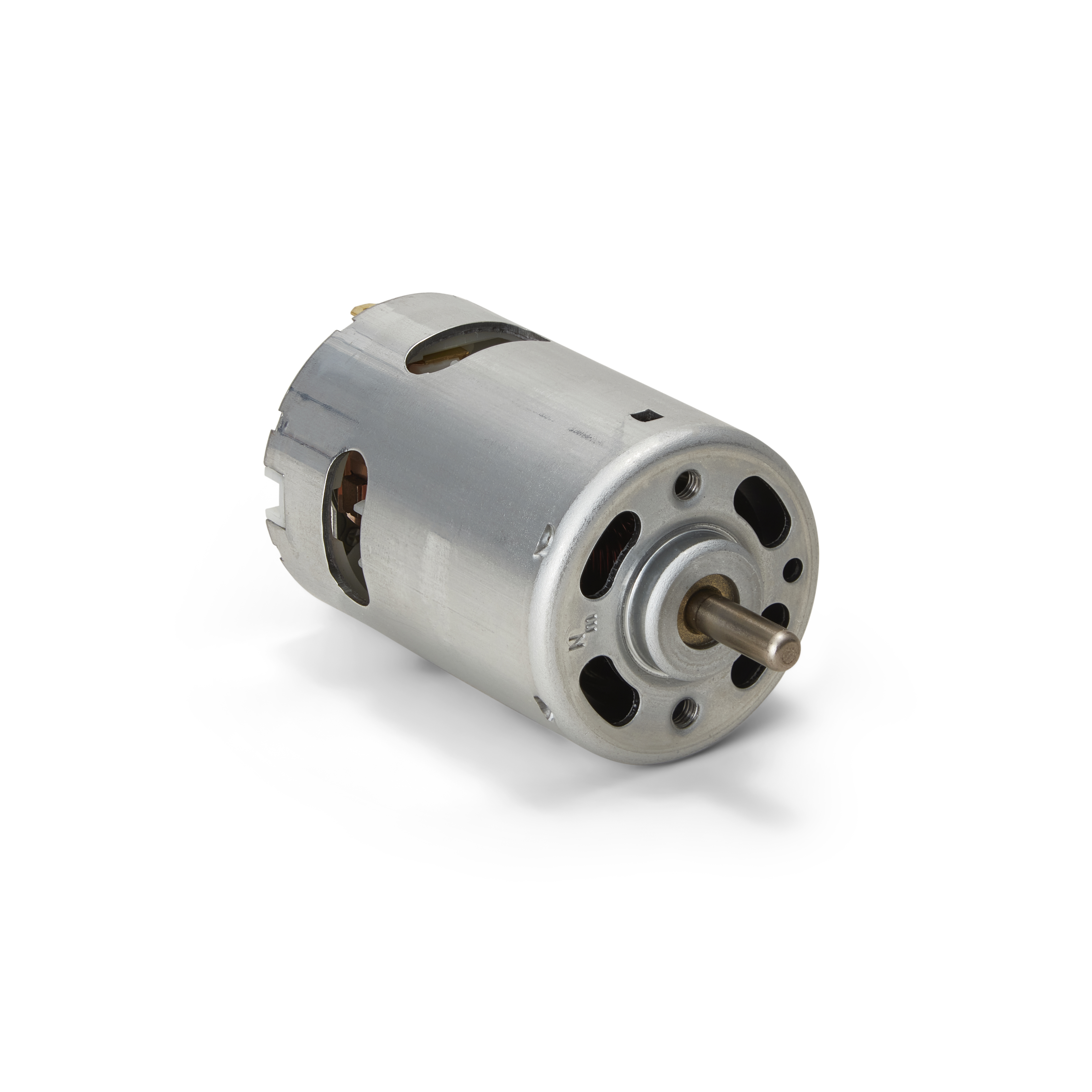
What are the advantages and disadvantages of using DC motors in automotive applications?
DC (Direct Current) motors have been used in automotive applications for many years, although they have been largely replaced by other motor types such as AC (Alternating Current) motors and brushless DC motors in modern vehicles. However, there are still some advantages and disadvantages associated with using DC motors in automotive applications. Here’s a detailed explanation of the advantages and disadvantages:
Advantages of Using DC Motors in Automotive Applications:
1. Cost: DC motors tend to be less expensive compared to other motor types, such as AC motors or brushless DC motors. This cost advantage can make them an attractive option for certain automotive applications, especially in budget-conscious scenarios.
2. Simple Control: DC motors have a relatively simple control system. By adjusting the voltage applied to the motor, the speed and torque can be easily controlled. This simplicity of control can be advantageous in automotive applications where basic speed control is sufficient.
3. High Torque at Low Speeds: DC motors can provide high torque even at low speeds, making them suitable for applications that require high starting torque or precise low-speed control. This characteristic can be beneficial for automotive applications such as power windows, windshield wipers, or seat adjustments.
4. Compact Size: DC motors can be designed in compact sizes, making them suitable for automotive applications where space is limited. Their small form factor allows for easier integration into tight spaces within the vehicle.
Disadvantages of Using DC Motors in Automotive Applications:
1. Limited Efficiency: DC motors are typically less efficient compared to other motor types, such as AC motors or brushless DC motors. They can experience energy losses due to brush friction and electrical resistance, resulting in lower overall efficiency. Lower efficiency can lead to increased power consumption and reduced fuel economy in automotive applications.
2. Maintenance Requirements: DC motors that utilize brushes for commutation require regular maintenance. The brushes can wear out over time and may need to be replaced periodically, adding to the maintenance and operating costs. In contrast, brushless DC motors or AC motors do not have this maintenance requirement.
3. Limited Speed Range: DC motors have a limited speed range compared to other motor types. They may not be suitable for applications that require high-speed operation or a broad range of speed control. In automotive applications where high-speed performance is crucial, other motor types may be preferred.
4. Electromagnetic Interference (EMI): DC motors can generate electromagnetic interference, which can interfere with the operation of other electronic components in the vehicle. This interference may require additional measures, such as shielding or filtering, to mitigate its effects and ensure proper functioning of other vehicle systems.
5. Brush Wear and Noise: DC motors that use brushes can produce noise during operation, and the brushes themselves can wear out over time. This brush wear can result in increased noise levels and potentially impact the overall lifespan and performance of the motor.
While DC motors offer certain advantages in terms of cost, simplicity of control, and high torque at low speeds, they also come with disadvantages such as limited efficiency, maintenance requirements, and electromagnetic interference. These factors have led to the adoption of other motor types, such as brushless DC motors and AC motors, in many modern automotive applications. However, DC motors may still find use in specific automotive systems where their characteristics align with the requirements of the application.


editor by CX 2024-04-09