
Product Description
Model Selection
ZD Leader has a wide range of micro motor production lines in the industry, including DC Motor, AC Motor, Brushless Motor, Planetary Gear Motor, Drum Motor, Planetary Gearbox, RV Reducer and Harmonic Gearbox etc. Through technical innovation and customization, we help you create outstanding application systems and provide flexible solutions for various industrial automation situations.
• Model Selection
Our professional sales representive and technical team will choose the right model and transmission solutions for your usage depend on your specific parameters.
• Drawing Request
If you need more product parameters, catalogues, CAD or 3D drawings, please contact us.
• On Your Need
We can modify standard products or customize them to meet your specific needs.
Range Of Gear Motor
Pleas click the click button to view more detailed specification:
Company Profile
| Application: | Universal, Industrial, Household Appliances |
|---|---|
| Operating Speed: | Constant Speed |
| Excitation Mode: | Excited |
| Function: | Control, Driving |
| Casing Protection: | Closed Type |
| Type: | Z2 |
| Customization: |
Available
|
|
|---|
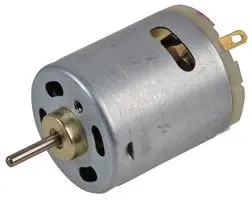
What are the key differences between brushed and brushless DC motors?
Brushed and brushless DC motors are two distinct types of motors that differ in their construction, operation, and performance characteristics. Here’s a detailed explanation of the key differences between brushed and brushless DC motors:
1. Construction:
Brushed DC Motors: Brushed DC motors have a relatively simple construction. They consist of a rotor with armature windings and a commutator, and a stator with permanent magnets or electromagnets. The commutator and brushes make physical contact to provide electrical connections to the armature windings.
Brushless DC Motors: Brushless DC motors have a more complex construction. They typically consist of a stationary stator with permanent magnets or electromagnets and a rotor with multiple coils or windings. The rotor does not have a commutator or brushes.
2. Commutation:
Brushed DC Motors: In brushed DC motors, the commutator and brushes are responsible for the commutation process. The brushes make contact with different segments of the commutator, reversing the direction of the current through the armature windings as the rotor rotates. This switching of the current direction generates the necessary torque for motor rotation.
Brushless DC Motors: Brushless DC motors use electronic commutation instead of mechanical commutation. The commutation process is managed by an external electronic controller or driver. The controller determines the timing and sequence of energizing the stator windings based on the rotor position, allowing for precise control of motor operation.
3. Efficiency:
Brushed DC Motors: Brushed DC motors tend to have lower efficiency compared to brushless DC motors. This is primarily due to the energy losses associated with the brushes and commutation process. The friction and wear between the brushes and commutator result in additional power dissipation and reduce overall motor efficiency.
Brushless DC Motors: Brushless DC motors are known for their higher efficiency. Since they eliminate the use of brushes and commutators, there are fewer energy losses and lower frictional losses. The electronic commutation system allows for precise control of the motor’s operation, maximizing efficiency and reducing power consumption.
4. Maintenance:
Brushed DC Motors: Brushed DC motors require regular maintenance due to the wear and tear of the brushes and commutator. The brushes need periodic replacement, and the commutator requires cleaning to maintain proper electrical contact. The maintenance requirements contribute to additional costs and downtime for brushed DC motors.
Brushless DC Motors: Brushless DC motors have a relatively maintenance-free operation. As they do not have brushes or commutators, there is no need for brush replacement or commutator cleaning. This results in reduced maintenance costs and increased reliability of brushless DC motors.
5. Speed Control:
Brushed DC Motors: Brushed DC motors offer simpler speed control options. The speed can be controlled by adjusting the applied voltage or by varying the resistance in the armature circuit. This allows for relatively straightforward speed regulation.
Brushless DC Motors: Brushless DC motors provide more advanced and precise speed control capabilities. The speed can be controlled through the electronic commutation system by adjusting the timing and sequence of the stator windings’ energization. This allows for precise control of the motor’s speed and acceleration.
These key differences between brushed and brushless DC motors make each type suitable for different applications depending on factors such as efficiency requirements, maintenance considerations, and control complexity.
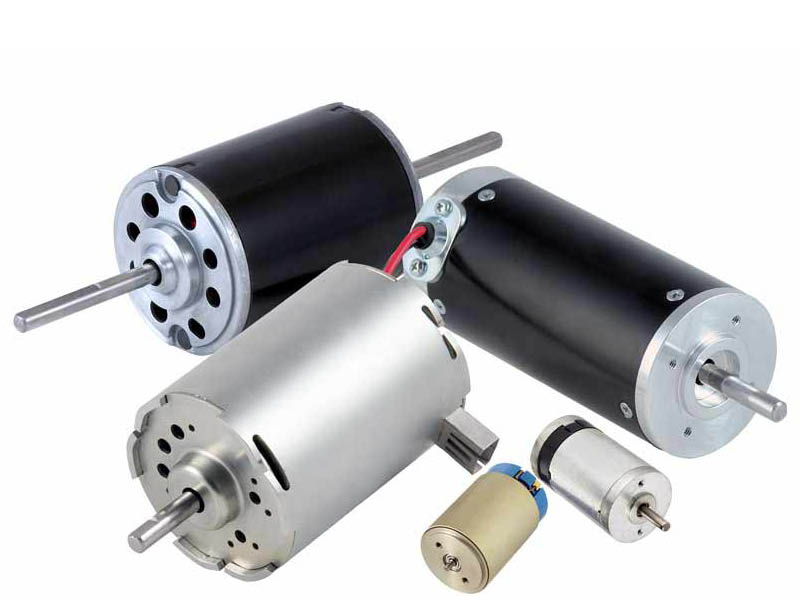
Can DC motors be used in renewable energy systems, such as wind turbines or solar tracking systems?
Yes, DC (Direct Current) motors can be effectively used in various renewable energy systems, including wind turbines and solar tracking systems. The unique characteristics and advantages of DC motors make them well-suited for these applications. Here’s a detailed explanation of how DC motors can be utilized in renewable energy systems:
1. Wind Turbines:
DC motors can be employed in wind turbines to convert the mechanical energy of the wind into electrical energy. There are two common configurations:
a. Direct Drive Wind Turbines:
In direct drive wind turbines, the rotor of the turbine is directly connected to a DC generator. The rotor’s rotational motion is transmitted directly to the generator, which produces DC electrical power. DC motors can be used as DC generators in this configuration. The advantage of using DC motors/generators is their simplicity, reliability, and ability to operate efficiently at variable speeds, which is beneficial in varying wind conditions.
b. Hybrid Wind Turbines:
Hybrid wind turbines combine both aerodynamic and electrical conversion systems. In this configuration, DC motors can be utilized for the pitch control mechanism and yaw control system. The pitch control mechanism adjusts the angle of the turbine blades to optimize performance, while the yaw control system enables the turbine to align itself with the wind direction. DC motors provide precise control and responsiveness required for these functions.
2. Solar Tracking Systems:
DC motors are commonly employed in solar tracking systems to maximize the efficiency of solar panels by optimizing their orientation towards the sun. There are two main types of solar tracking systems:
a. Single-Axis Solar Tracking Systems:
Single-axis solar tracking systems adjust the inclination of solar panels along a single axis (typically the east-west axis) to track the movement of the sun throughout the day. DC motors can be used to drive the rotation mechanism that adjusts the panel’s tilt angle. By continuously adjusting the panel’s position to face the sun directly, the solar energy harvested can be significantly increased, resulting in higher energy output compared to fixed solar panel installations.
b. Dual-Axis Solar Tracking Systems:
Dual-axis solar tracking systems adjust the inclination of solar panels along both the east-west and north-south axes to track the sun’s movement throughout the day and throughout the year. DC motors are utilized in the rotation mechanisms for both axes. This type of solar tracking system provides the highest possible energy yield by keeping the solar panels perpendicular to the sun’s rays at all times, maximizing the exposure to sunlight.
DC motors are preferred in renewable energy systems due to their advantages, including:
- Efficiency at Variable Speeds: DC motors can operate efficiently at varying speeds, making them suitable for applications with fluctuating wind speeds or changing solar angles.
- Control and Precision: DC motors offer precise control and responsiveness, allowing for accurate tracking and adjustment in wind turbines and solar tracking systems.
- Reliability: DC motors are known for their reliability, with fewer moving parts compared to other motor types, reducing the risk of failure in remote or harsh environments.
- Compatibility with Energy Storage Systems: DC motors can easily be integrated with energy storage systems, such as batteries or supercapacitors, to store excess electrical energy generated by wind turbines or solar panels.
In conclusion, DC motors can be effectively utilized in renewable energy systems such as wind turbines and solar tracking systems. Their efficiency, control capabilities, reliability, and compatibility with energy storage systems make them a suitable choice for these applications, contributing to the advancement of sustainable energy generation.
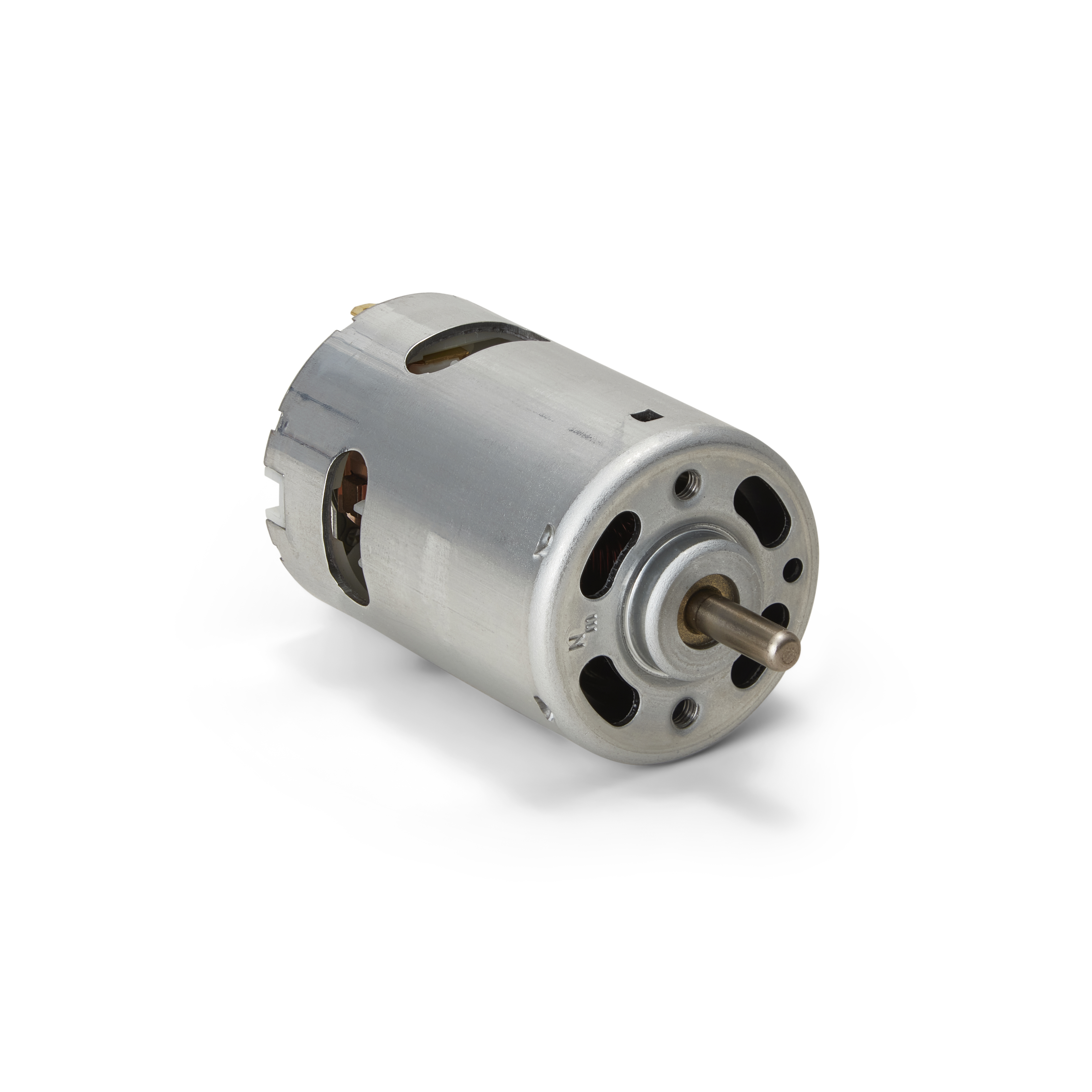
What are the advantages and disadvantages of using DC motors in automotive applications?
DC (Direct Current) motors have been used in automotive applications for many years, although they have been largely replaced by other motor types such as AC (Alternating Current) motors and brushless DC motors in modern vehicles. However, there are still some advantages and disadvantages associated with using DC motors in automotive applications. Here’s a detailed explanation of the advantages and disadvantages:
Advantages of Using DC Motors in Automotive Applications:
1. Cost: DC motors tend to be less expensive compared to other motor types, such as AC motors or brushless DC motors. This cost advantage can make them an attractive option for certain automotive applications, especially in budget-conscious scenarios.
2. Simple Control: DC motors have a relatively simple control system. By adjusting the voltage applied to the motor, the speed and torque can be easily controlled. This simplicity of control can be advantageous in automotive applications where basic speed control is sufficient.
3. High Torque at Low Speeds: DC motors can provide high torque even at low speeds, making them suitable for applications that require high starting torque or precise low-speed control. This characteristic can be beneficial for automotive applications such as power windows, windshield wipers, or seat adjustments.
4. Compact Size: DC motors can be designed in compact sizes, making them suitable for automotive applications where space is limited. Their small form factor allows for easier integration into tight spaces within the vehicle.
Disadvantages of Using DC Motors in Automotive Applications:
1. Limited Efficiency: DC motors are typically less efficient compared to other motor types, such as AC motors or brushless DC motors. They can experience energy losses due to brush friction and electrical resistance, resulting in lower overall efficiency. Lower efficiency can lead to increased power consumption and reduced fuel economy in automotive applications.
2. Maintenance Requirements: DC motors that utilize brushes for commutation require regular maintenance. The brushes can wear out over time and may need to be replaced periodically, adding to the maintenance and operating costs. In contrast, brushless DC motors or AC motors do not have this maintenance requirement.
3. Limited Speed Range: DC motors have a limited speed range compared to other motor types. They may not be suitable for applications that require high-speed operation or a broad range of speed control. In automotive applications where high-speed performance is crucial, other motor types may be preferred.
4. Electromagnetic Interference (EMI): DC motors can generate electromagnetic interference, which can interfere with the operation of other electronic components in the vehicle. This interference may require additional measures, such as shielding or filtering, to mitigate its effects and ensure proper functioning of other vehicle systems.
5. Brush Wear and Noise: DC motors that use brushes can produce noise during operation, and the brushes themselves can wear out over time. This brush wear can result in increased noise levels and potentially impact the overall lifespan and performance of the motor.
While DC motors offer certain advantages in terms of cost, simplicity of control, and high torque at low speeds, they also come with disadvantages such as limited efficiency, maintenance requirements, and electromagnetic interference. These factors have led to the adoption of other motor types, such as brushless DC motors and AC motors, in many modern automotive applications. However, DC motors may still find use in specific automotive systems where their characteristics align with the requirements of the application.


editor by CX 2023-12-07