
Product Description
Main Products
Product Catalog
| Description | Style No. | Voltage | Frequency | Output | Current | Number of Poles | Speed | Insulation | Steering | Speed |
| V | Hz | W | A | P | r/min | Class | CCW / CW | |||
| Single Phase AC Motor | YDK-S-20 | 220 | 50 | 20 | 0.23 | 4 | 1300 | E | CCW | adjust speed |
| YDK-13-4-2 | 220 | 50 | 13 | 0.18 | 4 | 1200 | B | CCW | adjust speed | |
| YDK-25-6 | 220 | 50 | 25 | 0.35 | 6 | 850 | B | CCW | constant speed | |
| YDK-50-6H | 220 | 50 | 50 | 0.62 | 6 | 850 | B | CCW | constant speed | |
| YDK-90-6 | 220 | 50 | 90 | 1.1 | 6 | 750 | B | CW | constant speed | |
| YDK-250-6 | 220 | 50 | 250 | 2.1 | 6 | 880 | B | CW | constant speed | |
| YDK-S-18 | 220 | 50 | 18 | 0.23 | 4 | 1300 | E | CCW | adjust speed | |
| Three Phase Blushless DC Motor | BLDC-310-80-A1 | DC310 | 57 | 80 | 0.8 | 8 | 850 | B | CCW | adjust speed |
We supply single phase AC motors and thress phase DC blushless motors for air conditioner / heat pump etc.
For more details, please feel free to contact us.
Product Details
| Model NO. | YDK-S-18 | ||
| Voltage | 220V | Frequency | 50 Hz |
| Output | 18W | Speed | 1300±30 r/min |
| Shaft diameter | 8mm/0.311inches | Motor diameter | 91mm/3.58inches |
| Number of Poles | 4P | Insulation | E |
| steering | CCW | Ambient temperature | -30ºC~43ºC |
Warm Tips: We can customize per your request for the Voltage,Frequency,Output,speed, shaft size and shape
FAQ
Q: Are you factory?
A: Yes, we are a professional motor manufacturing factory for 25 years with 80 employees. We have strong product development and production capacities for OEM and ODM. Our main products include fan motor, air-conditioning motors, swimming pool pump motor and etc., which are sold to Europe, North America, Middle East and South Asia.
Q: What’s your lead time?
A: 15-20 days for buck production. Customized products depends on sampling time.
Q: What is your MOQ?
A: MOQ depends on different items, which is negotiable.
Q: May I get samples?
A: You are welcome to order samples that need 10 days to prepare.
Sample charges are as bulk production price.
Express charges shall be freight collect.
Q: How about your quality control?
A: From raw material to finished products, we have strict and complete IPQC. And advanced test ing machine can assure of qualified products delivered.
Q: Can you make motors with customize specifications?
A: Yes, we can customize per your request for the voltage, speed, torque,shaft size and shape.
/* January 22, 2571 19:08:37 */!function(){function s(e,r){var a,o={};try{e&&e.split(“,”).forEach(function(e,t){e&&(a=e.match(/(.*?):(.*)$/))&&1
| Application: | Universal |
|---|---|
| Speed: | Variable Speed |
| Number of Stator: | Single-Phase |
| Samples: |
US$ 20/Piece
1 Piece(Min.Order) | Order Sample Junfeng Electric Motor Fan Motors for Air Conditio
|
|---|
| Customization: |
Available
|
|
|---|
.shipping-cost-tm .tm-status-off{background: none;padding:0;color: #1470cc}
|
Shipping Cost:
Estimated freight per unit. |
about shipping cost and estimated delivery time. |
|---|
| Payment Method: |
|
|---|---|
|
Initial Payment Full Payment |
| Currency: | US$ |
|---|
| Return&refunds: | You can apply for a refund up to 30 days after receipt of the products. |
|---|
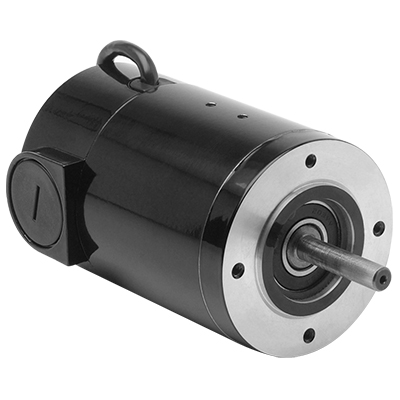
What are the main components of a DC motor, and how do they contribute to its functionality?
A DC (Direct Current) motor consists of several key components that work together to enable its functionality. Each component plays a crucial role in the operation of the motor. Here’s a detailed explanation of the main components of a DC motor and their contributions:
1. Stator:
The stator is the stationary part of the motor. It typically consists of permanent magnets or electromagnets that produce a fixed magnetic field. The stator’s magnetic field interacts with the rotor’s magnetic field to generate the required torque for motor rotation. The stator provides the foundation for the motor’s magnetic field and contributes to its overall stability and efficiency.
2. Rotor:
The rotor is the rotating part of the motor and is connected to the motor’s output shaft. It contains coils or windings that carry the armature current. The rotor’s windings interact with the stator’s magnetic field, resulting in the generation of a mechanical force that causes the rotor to rotate. The rotor’s movement is responsible for converting electrical energy into mechanical motion, enabling the motor to perform its intended function.
3. Armature:
The armature is the core of the rotor that holds the armature windings. The armature windings are typically made of copper wire and are evenly spaced around the armature. When a current passes through the armature windings, a magnetic field is created around them. This magnetic field interacts with the stator’s magnetic field, resulting in the generation of a torque that drives the rotor’s rotation. The armature is a critical component that facilitates the conversion of electrical energy into mechanical energy.
4. Commutator:
The commutator is a cylindrical ring attached to the rotor shaft. It consists of multiple segments, usually made of copper, that are insulated from each other. The commutator plays a vital role in the DC motor’s operation by providing the necessary electrical connections to the armature windings. As the rotor spins, the brushes make physical contact with different commutator segments, effectively reversing the direction of the current in the armature windings at the appropriate timing. This reversal of current flow ensures that the torque generated in the armature windings is always in the same direction, allowing for continuous rotation of the rotor.
5. Brushes:
The brushes are stationary contacts that make physical contact with the commutator segments. They are typically made of carbon or graphite and provide electrical connections to the armature windings. The brushes supply the current to the armature windings through the commutator, allowing for the creation of the magnetic field necessary for motor operation. The brushes need to maintain proper contact with the commutator to ensure efficient electrical transmission and reliable motor performance.
6. Housing or Frame:
The housing or frame of the DC motor encloses and supports all the internal components. It provides structural integrity, protects the motor from external elements, and helps dissipate heat generated during operation. The housing or frame also serves as a mounting point for the motor, allowing it to be securely installed in various applications.
By understanding the main components of a DC motor and their contributions, one can gain insights into how each part works together harmoniously to achieve the desired motor functionality.
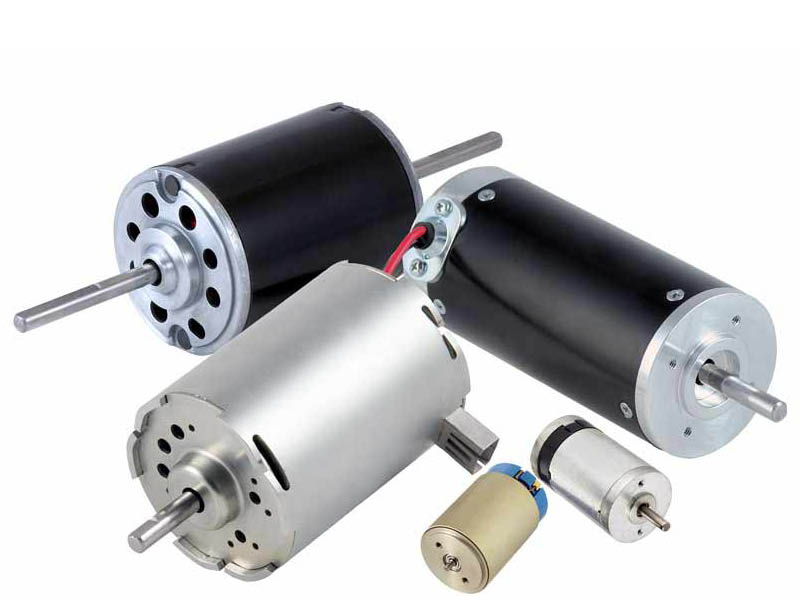
Can DC motors be used in renewable energy systems, such as wind turbines or solar tracking systems?
Yes, DC (Direct Current) motors can be effectively used in various renewable energy systems, including wind turbines and solar tracking systems. The unique characteristics and advantages of DC motors make them well-suited for these applications. Here’s a detailed explanation of how DC motors can be utilized in renewable energy systems:
1. Wind Turbines:
DC motors can be employed in wind turbines to convert the mechanical energy of the wind into electrical energy. There are two common configurations:
a. Direct Drive Wind Turbines:
In direct drive wind turbines, the rotor of the turbine is directly connected to a DC generator. The rotor’s rotational motion is transmitted directly to the generator, which produces DC electrical power. DC motors can be used as DC generators in this configuration. The advantage of using DC motors/generators is their simplicity, reliability, and ability to operate efficiently at variable speeds, which is beneficial in varying wind conditions.
b. Hybrid Wind Turbines:
Hybrid wind turbines combine both aerodynamic and electrical conversion systems. In this configuration, DC motors can be utilized for the pitch control mechanism and yaw control system. The pitch control mechanism adjusts the angle of the turbine blades to optimize performance, while the yaw control system enables the turbine to align itself with the wind direction. DC motors provide precise control and responsiveness required for these functions.
2. Solar Tracking Systems:
DC motors are commonly employed in solar tracking systems to maximize the efficiency of solar panels by optimizing their orientation towards the sun. There are two main types of solar tracking systems:
a. Single-Axis Solar Tracking Systems:
Single-axis solar tracking systems adjust the inclination of solar panels along a single axis (typically the east-west axis) to track the movement of the sun throughout the day. DC motors can be used to drive the rotation mechanism that adjusts the panel’s tilt angle. By continuously adjusting the panel’s position to face the sun directly, the solar energy harvested can be significantly increased, resulting in higher energy output compared to fixed solar panel installations.
b. Dual-Axis Solar Tracking Systems:
Dual-axis solar tracking systems adjust the inclination of solar panels along both the east-west and north-south axes to track the sun’s movement throughout the day and throughout the year. DC motors are utilized in the rotation mechanisms for both axes. This type of solar tracking system provides the highest possible energy yield by keeping the solar panels perpendicular to the sun’s rays at all times, maximizing the exposure to sunlight.
DC motors are preferred in renewable energy systems due to their advantages, including:
- Efficiency at Variable Speeds: DC motors can operate efficiently at varying speeds, making them suitable for applications with fluctuating wind speeds or changing solar angles.
- Control and Precision: DC motors offer precise control and responsiveness, allowing for accurate tracking and adjustment in wind turbines and solar tracking systems.
- Reliability: DC motors are known for their reliability, with fewer moving parts compared to other motor types, reducing the risk of failure in remote or harsh environments.
- Compatibility with Energy Storage Systems: DC motors can easily be integrated with energy storage systems, such as batteries or supercapacitors, to store excess electrical energy generated by wind turbines or solar panels.
In conclusion, DC motors can be effectively utilized in renewable energy systems such as wind turbines and solar tracking systems. Their efficiency, control capabilities, reliability, and compatibility with energy storage systems make them a suitable choice for these applications, contributing to the advancement of sustainable energy generation.
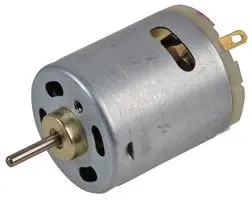
What are the environmental implications of using DC motors, particularly in green technologies?
DC (Direct Current) motors offer several environmental benefits when used in green technologies. Their characteristics and operational advantages contribute to reducing environmental impact compared to other motor types. Here’s a detailed explanation of the environmental implications of using DC motors, particularly in green technologies:
1. Energy Efficiency:
DC motors are known for their high energy efficiency. Compared to AC (Alternating Current) motors, DC motors generally have lower energy losses and can convert a larger proportion of electrical input power into mechanical output power. This increased efficiency results in reduced energy consumption, leading to lower greenhouse gas emissions and decreased reliance on fossil fuels for electricity generation.
2. Renewable Energy Integration:
DC motors are well-suited for integration with renewable energy sources. Many green technologies, such as solar photovoltaic systems and wind turbines, produce DC power. By utilizing DC motors directly in these systems, the need for power conversion from DC to AC can be minimized, reducing energy losses associated with conversion processes. This integration improves the overall system efficiency and contributes to a more sustainable energy infrastructure.
3. Battery-Powered Applications:
DC motors are commonly used in battery-powered applications, such as electric vehicles and portable devices. The efficiency of DC motors ensures optimal utilization of the limited energy stored in batteries, resulting in extended battery life and reduced energy waste. By utilizing DC motors in these applications, the environmental impact of fossil fuel consumption for transportation and energy storage is reduced.
4. Reduced Emissions:
DC motors, especially brushless DC motors, produce fewer emissions compared to internal combustion engines or motors that rely on fossil fuels. By using DC motors in green technologies, such as electric vehicles or electrically powered equipment, the emission of greenhouse gases and air pollutants associated with traditional combustion engines is significantly reduced. This contributes to improved air quality and a reduction in overall carbon footprint.
5. Noise Reduction:
DC motors generally operate with lower noise levels compared to some other motor types. The absence of brushes in brushless DC motors and the smoother operation of DC motor designs contribute to reduced noise emissions. This is particularly beneficial in green technologies like electric vehicles or renewable energy systems, where quieter operation enhances user comfort and minimizes noise pollution in residential or urban areas.
6. Recycling and End-of-Life Considerations:
DC motors, like many electrical devices, can be recycled at the end of their operational life. The materials used in DC motors, such as copper, aluminum, and various magnets, can be recovered and reused, reducing the demand for new raw materials and minimizing waste. Proper recycling and disposal practices ensure that the environmental impact of DC motors is further mitigated.
The use of DC motors in green technologies offers several environmental benefits, including increased energy efficiency, integration with renewable energy sources, reduced emissions, noise reduction, and the potential for recycling and end-of-life considerations. These characteristics make DC motors a favorable choice for sustainable and environmentally conscious applications, contributing to the transition to a greener and more sustainable future.


editor by CX 2024-04-03