
Product Description
86 Series Stepper Motor 1.8°(34H series) Stepping motor/step motor
With Sino Motor’s expertise and advanced technology, the 86 Series Stepper Motor delivers exceptional performance, making it the perfect choice for demanding industrial applications that require high precision and durability.
Product Description
The 86 Series Stepper Motor, offered by Sino Motor, is a high-performance motor known for its exceptional torque and precise motion control. With its robust construction and advanced technology, this motor delivers reliable and efficient performance, making it suitable for a wide range of industrial applications. Trust the 86 Series Stepper Motor from Sino Motor to meet your automation needs with reliability and precision.
|
Project |
Specification |
|
Temperature rise |
<8OK |
|
Resistance accuracy |
±10% |
|
Inductance accuracy |
±20% |
|
Ambient temperature range |
-10~+50ºC |
|
Ambient humidity range |
20%RH~90%RH |
|
Insulation resistance |
100MQMin.@500vDc |
|
Insulation class |
Class B 130° |
|
Step Angle accuracy |
±5% |
|
Radial runout of shaft |
0.06Max.(450g-load) |
|
Axial runout of the rotating shaft |
0.08Max.(450g-load) |
The above are standard parameters, can be customized, can install brake, reducer, encoder and other devices
Detailed Photos
This customizable motor can be equipped with a reducer, encoder, and other devices. It is a two-phase motor with a constant speed, suitable for universal applications.
Application Area
Product Recommendation
| Stepper motor | Brushless motor | Synchronous motor |
Packaging & Shipping
Company Profile
HangZhou Sino-Pan Electrical Co., Ltd is an export-oriented enterprise. After many years of operation, our enterprise-scale is continuously expanding. It has gradually grown into a group company. At present, our company is mainly engaged in producing automobile bulbs(such are halogen bulbs & automobile LED bulbs/also home LED & commercial LED), motors( Brushless motor/Stepper motor/Synchronous motor ). Meanwhile, we are also designated by many customers as the purchasing and Q/C agent in China.
We provide you with high quality, fast, efficient and cheap service for automobile lighting and motor along with auxiliary electrical appliances. Sino-Pan welcomes your favour with a sHangZhou, we will provide you with a variety of satisfactory products and a full range of consulting and services. We firmly believe that cooperation with us will be infinitely better! Strive to create a more powerful tomorrow for customers!
Our Advantages
We have done motor business with long time.
Motors are based on customers’ requirement.
Countries we exported such are: USA/German/Korea/Middle East/Asia/Canada/Australia/Iran/Mexico etc..
OEM & ODM are welcome!
CE certificate is available.
FAQ
Q1. Can I provide sample orders for your products?
A: Of course, you can check our quality before ordering. If you have any requirements, please contact us.
Q2. What is your delivery time?
A: It depends on the order quantity. Usually, it takes about 3-7 days after receiving the small deposit. Bulk ordering takes 10-20 days.
Q3. Do you have a minimum order quantity requirement? Can you accept mixed goods for FCL orders?
A: We have a low MOQ requirement for 1pc. We prefer you can mix items for FCL order for saving both sides costs..
Q4. How long will it take after placing an order?
A: Depends on the order volume. We will ship most online wholesale orders within 5 days of receiving payment.
Q5. How do you ship the goods and how long does it take to arrive?
A: We usually ship by DHL, UPS, FedEx, or TNT. It usually takes 3-5 days to arrive. Airline and sea shipping is also optional.
Q6. How to ensure product quality?
A: Our factory will inspect each item 4 times. At the same time, we have a professional quality control team responsible for checking and controlling all orders from raw materials to finished products.
Q7. What kind of customers and what kind of companies do you work with?
A: We have 20 years of export experience and serve more than 100 customers, such as retailers, wholesalers, and online store owners.
Q8. Which packaging product do you usually use?
A: Usually we provide color box packaging.
Q9. What is your payment method for accepting full payment?
A: Provide a variety of payment methods, including PayPal, Visa, MasterCard, Western Union, and wire transfer.
Q10. Is it possible to put our logo on your product or product packaging?
A: Of course, we have a factory, welcome to customize your brand, LOGO, color, product manual, packaging, etc.
Q11. Why do our customers choose us?
A: Quality control> 99% After-sales service> 99% 100% QC inspection before timely delivery.
Q12: Can you OEM for me?
A: We accept all OEM orders, just contact us and give me your design. We will provide you with a reasonable price and make samples for you as soon as possible.
Q13: What are your payment terms?
A: According to T/T, LC AT SIGHT, 30% deposit in advance, and the balance 70% before shipment.
/* January 22, 2571 19:08:37 */!function(){function s(e,r){var a,o={};try{e&&e.split(“,”).forEach(function(e,t){e&&(a=e.match(/(.*?):(.*)$/))&&1
| Application: | Printing Equipment |
|---|---|
| Speed: | Constant Speed |
| Number of Stator: | Two-Phase |
| Samples: |
US$ 50/Piece
1 Piece(Min.Order) | Order Sample |
|---|
| Customization: |
Available
|
|
|---|
.shipping-cost-tm .tm-status-off{background: none;padding:0;color: #1470cc}
|
Shipping Cost:
Estimated freight per unit. |
about shipping cost and estimated delivery time. |
|---|
| Payment Method: |
|
|---|---|
|
Initial Payment Full Payment |
| Currency: | US$ |
|---|
| Return&refunds: | You can apply for a refund up to 30 days after receipt of the products. |
|---|
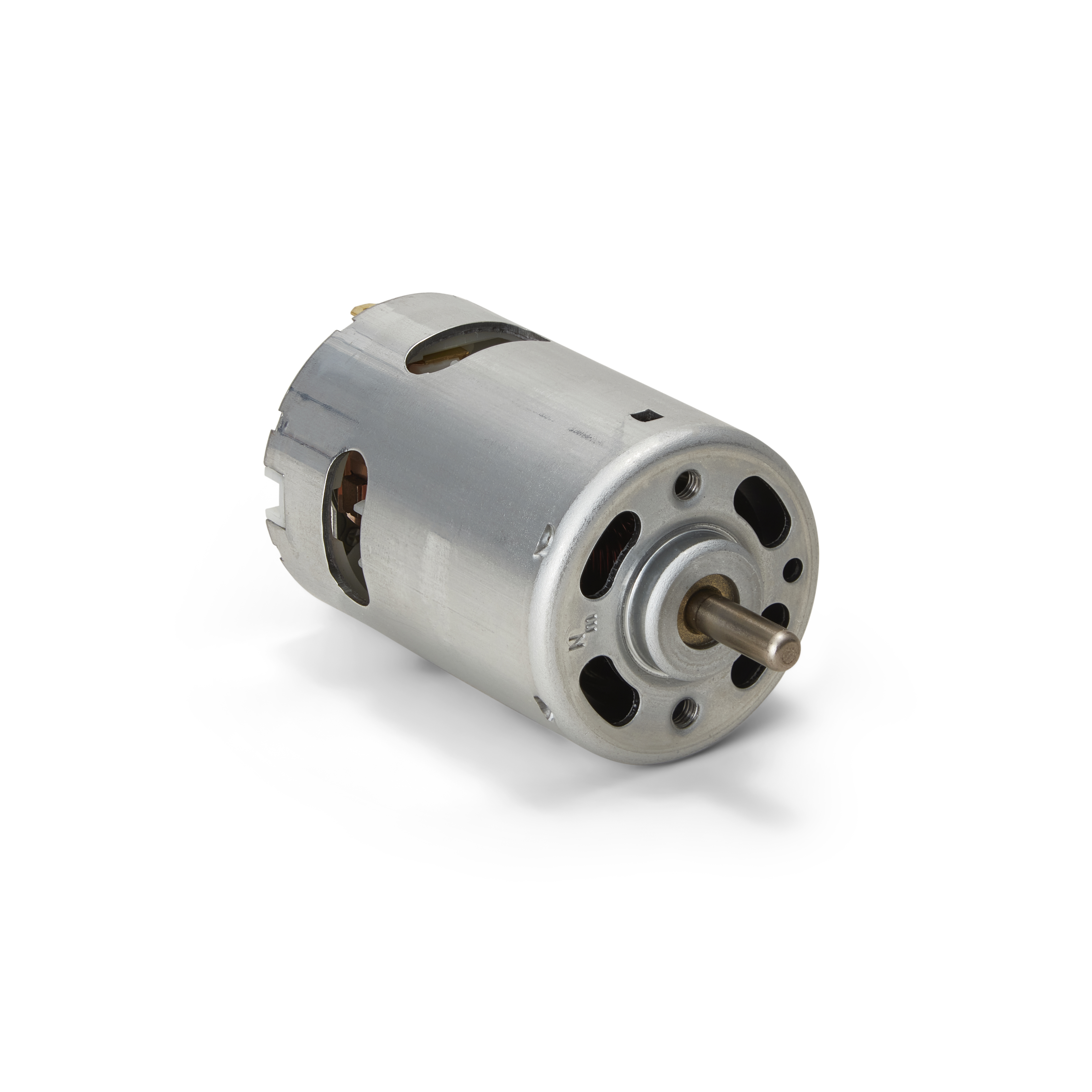
In which applications are DC motors commonly used, and what advantages do they offer?
DC (Direct Current) motors are widely used in various applications due to their versatility, controllability, and specific advantages they offer. Here’s a detailed explanation of the common applications of DC motors and the advantages they provide:
1. Robotics:
DC motors are extensively used in robotics for precise control of movement and manipulation. They provide high torque and speed control, allowing robots to perform tasks with accuracy and efficiency. DC motors enable robotic arms, grippers, and mobile robots to execute complex motions and interact with their environment effectively.
2. Industrial Automation:
In industrial automation, DC motors are employed in conveyors, actuators, and positioning systems. The ability to control the motor speed and torque makes them suitable for applications such as material handling, assembly lines, and CNC machines. DC motors offer precise control over acceleration, deceleration, and positioning, enhancing overall productivity and efficiency in manufacturing processes.
3. Electric Vehicles:
DC motors have been widely used in electric vehicles (EVs) for many years. They are commonly found in electric cars, motorcycles, and scooters. DC motors provide high torque from standstill, enabling efficient acceleration and smooth operation. They also offer regenerative braking capabilities, which help in energy recovery during deceleration, thereby increasing the vehicle’s overall efficiency.
4. Appliances:
DC motors are utilized in various household appliances, including fans, blenders, vacuum cleaners, and refrigerators. Their controllable speed and torque allow for efficient operation and improved energy consumption. In appliances where variable speed control is required, such as ceiling fans or blender settings, DC motors offer precise adjustment options to meet different user preferences.
5. Renewable Energy Systems:
DC motors play a crucial role in renewable energy systems, such as wind turbines and solar tracking systems. They convert the rotational energy from wind or sunlight into electrical energy. DC motors enable precise tracking of the sun’s movement for optimal solar energy collection and efficient conversion of wind energy into electricity.
6. Advantages of DC Motors:
DC motors offer several advantages that make them suitable for various applications:
- Precise Speed Control: DC motors provide accurate and adjustable speed control, allowing for precise regulation of motor output.
- High Starting Torque: DC motors deliver high torque at startup, making them suitable for applications requiring quick acceleration or heavy loads.
- Controllability: DC motors can be easily controlled using voltage regulation, current limiting, and feedback control techniques.
- Efficiency: DC motors have high efficiency, especially when operating at lower speeds.
- Reliability: DC motors are known for their robustness and reliability, requiring minimal maintenance.
- Compact Size: DC motors are available in various sizes and can be designed compactly, making them suitable for applications with space constraints.
These advantages make DC motors an attractive choice in various industries and applications where precise control, high starting torque, and reliability are essential.
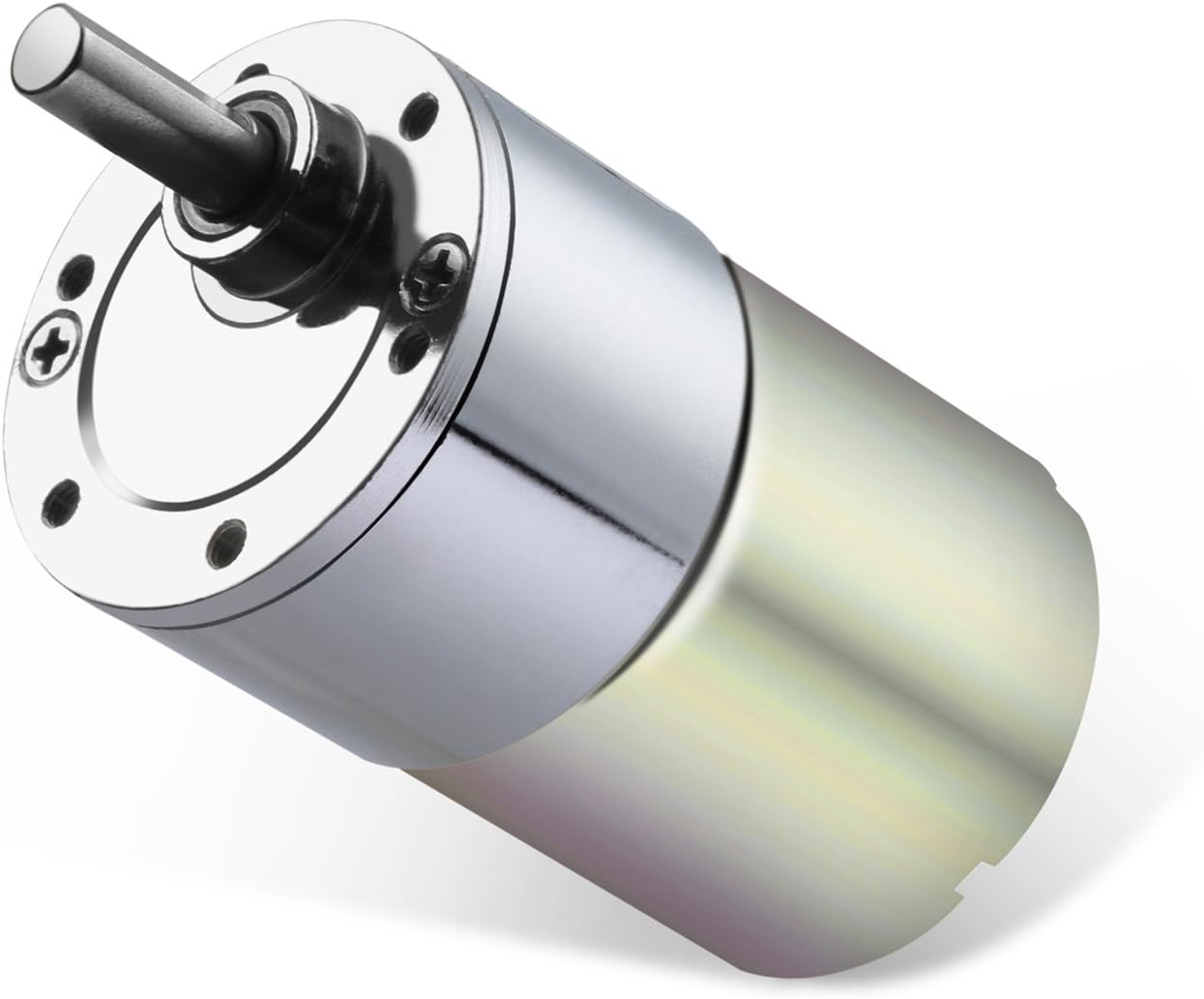
What role does commutation play in the operation of a DC motor?
In the operation of a DC (Direct Current) motor, commutation plays a crucial role in ensuring the continuous rotation of the motor and the conversion of electrical energy into mechanical motion. It is the process by which the direction of the current in the armature winding is periodically reversed to maintain a constant torque and facilitate the rotation of the motor. Here’s a detailed explanation of the role of commutation in the operation of a DC motor:
Commutation is necessary in a DC motor because the magnetic field generated by the armature winding needs to be constantly aligned with the stator’s magnetic field for efficient torque production. The stator of a DC motor typically consists of permanent magnets or electromagnets that create a fixed magnetic field. The armature winding, located on the rotor, produces a magnetic field that interacts with the stator’s field to generate torque.
The commutation process is achieved through the use of a commutator and brushes. The commutator is a cylindrical ring with multiple segments, while the brushes are conductive contacts that make physical contact with the commutator segments. The armature winding is connected to the commutator, and as the rotor spins, the brushes maintain contact with different segments.
As the rotor rotates, the commutator and brushes ensure that the direction of the current in the armature winding is reversed at specific intervals. This reversal of current flow is necessary to maintain a consistent torque in the same rotational direction. Without commutation, the torque generated by the motor would fluctuate in both magnitude and direction, leading to instability and erratic motor behavior.
The commutation process involves two stages: mechanical commutation and electrical commutation.
1. Mechanical Commutation: As the rotor rotates, the brushes make contact with different segments of the commutator. The segments are insulated from each other to prevent short circuits. When the brushes move from one segment to another, the current flowing through the armature winding is switched to a different coil or set of coils. This mechanical switching ensures that the magnetic fields produced by the winding are properly aligned with the stator’s field, resulting in continuous torque production.
2. Electrical Commutation: The reversal of current in the armature winding is achieved through electrical commutation. When the brushes make contact with a new commutator segment, the current flow in the winding is redirected to maintain the desired torque direction. The timing and sequence of the current reversal are critical to ensure smooth and efficient motor operation.
The commutation process in a DC motor is a dynamic and continuous operation. It allows for the conversion of electrical energy into mechanical motion by providing a consistent torque output. The efficiency and performance of the motor are greatly influenced by the quality and effectiveness of the commutation process.
In summary, commutation plays a vital role in the operation of a DC motor by ensuring the continuous rotation of the motor and the production of consistent torque. It involves the mechanical and electrical switching of the current direction in the armature winding, facilitated by the commutator and brushes.
What are the environmental implications of using DC motors, particularly in green technologies?
DC (Direct Current) motors offer several environmental benefits when used in green technologies. Their characteristics and operational advantages contribute to reducing environmental impact compared to other motor types. Here’s a detailed explanation of the environmental implications of using DC motors, particularly in green technologies:
1. Energy Efficiency:
DC motors are known for their high energy efficiency. Compared to AC (Alternating Current) motors, DC motors generally have lower energy losses and can convert a larger proportion of electrical input power into mechanical output power. This increased efficiency results in reduced energy consumption, leading to lower greenhouse gas emissions and decreased reliance on fossil fuels for electricity generation.
2. Renewable Energy Integration:
DC motors are well-suited for integration with renewable energy sources. Many green technologies, such as solar photovoltaic systems and wind turbines, produce DC power. By utilizing DC motors directly in these systems, the need for power conversion from DC to AC can be minimized, reducing energy losses associated with conversion processes. This integration improves the overall system efficiency and contributes to a more sustainable energy infrastructure.
3. Battery-Powered Applications:
DC motors are commonly used in battery-powered applications, such as electric vehicles and portable devices. The efficiency of DC motors ensures optimal utilization of the limited energy stored in batteries, resulting in extended battery life and reduced energy waste. By utilizing DC motors in these applications, the environmental impact of fossil fuel consumption for transportation and energy storage is reduced.
4. Reduced Emissions:
DC motors, especially brushless DC motors, produce fewer emissions compared to internal combustion engines or motors that rely on fossil fuels. By using DC motors in green technologies, such as electric vehicles or electrically powered equipment, the emission of greenhouse gases and air pollutants associated with traditional combustion engines is significantly reduced. This contributes to improved air quality and a reduction in overall carbon footprint.
5. Noise Reduction:
DC motors generally operate with lower noise levels compared to some other motor types. The absence of brushes in brushless DC motors and the smoother operation of DC motor designs contribute to reduced noise emissions. This is particularly beneficial in green technologies like electric vehicles or renewable energy systems, where quieter operation enhances user comfort and minimizes noise pollution in residential or urban areas.
6. Recycling and End-of-Life Considerations:
DC motors, like many electrical devices, can be recycled at the end of their operational life. The materials used in DC motors, such as copper, aluminum, and various magnets, can be recovered and reused, reducing the demand for new raw materials and minimizing waste. Proper recycling and disposal practices ensure that the environmental impact of DC motors is further mitigated.
The use of DC motors in green technologies offers several environmental benefits, including increased energy efficiency, integration with renewable energy sources, reduced emissions, noise reduction, and the potential for recycling and end-of-life considerations. These characteristics make DC motors a favorable choice for sustainable and environmentally conscious applications, contributing to the transition to a greener and more sustainable future.


editor by CX 2024-04-09